Laundry After Lice Treatment: What to Wash and How

Laundry After Lice Treatment: What to Wash, What to Skip, and Why
What to Do With Laundry After Lice Treatment
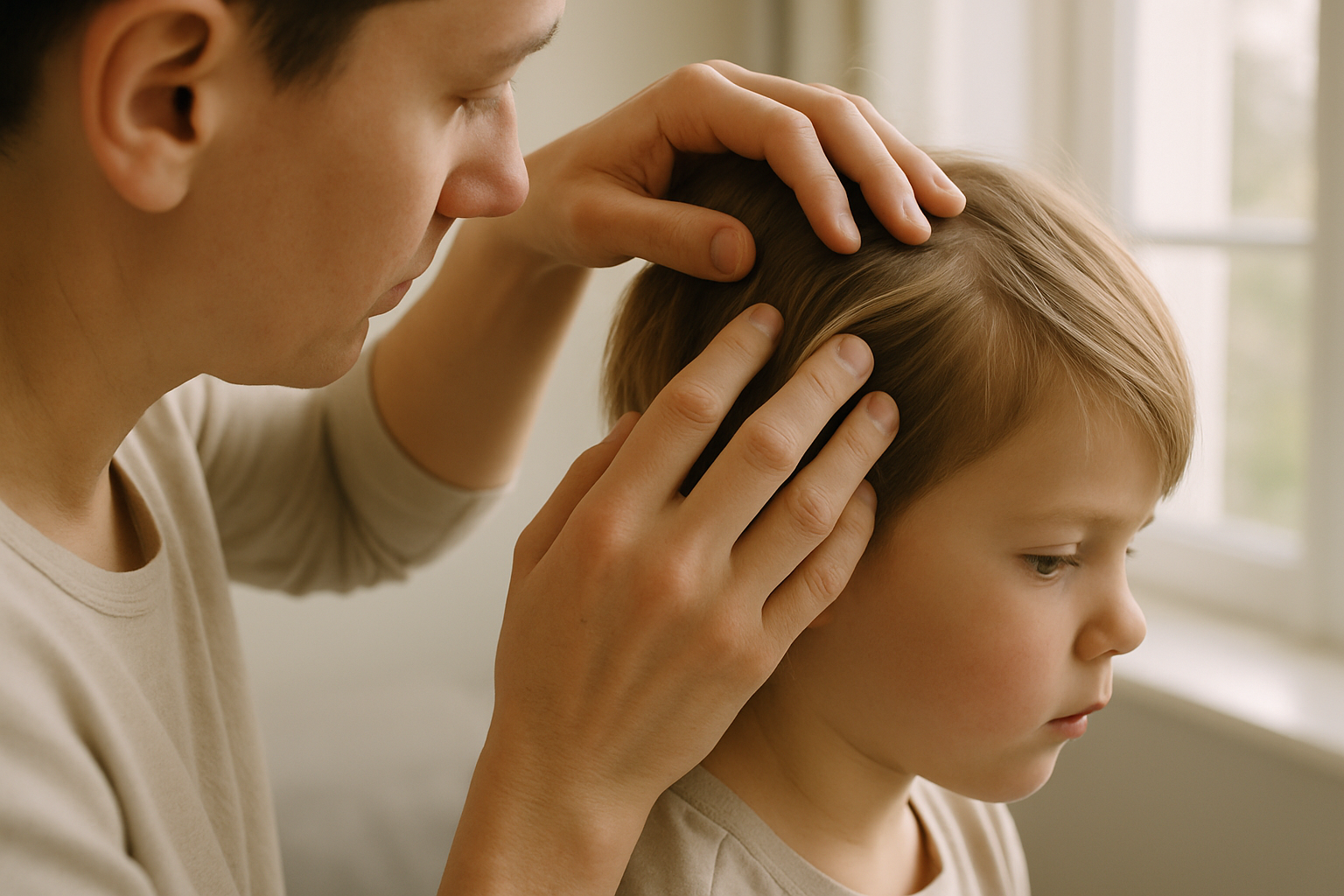
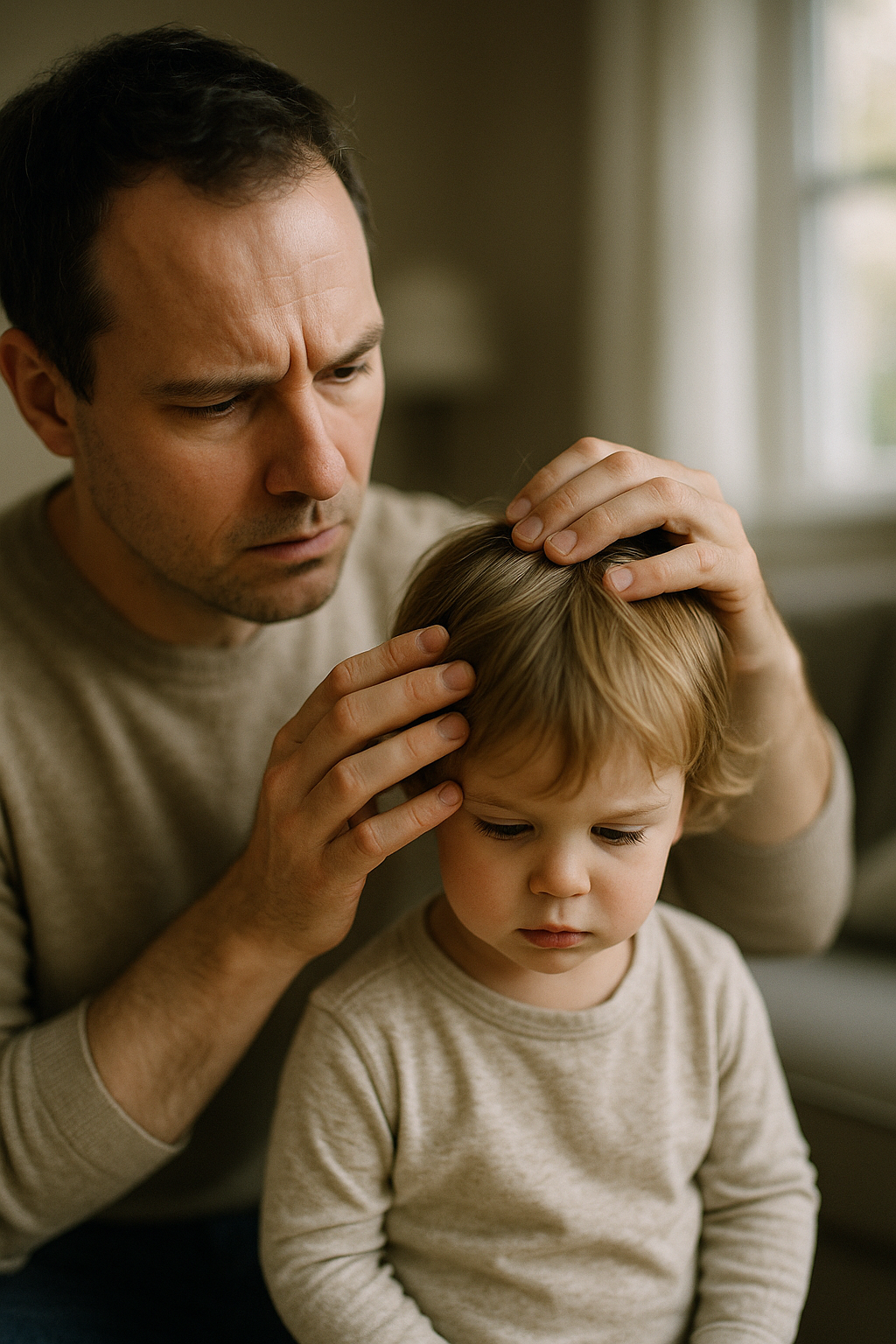
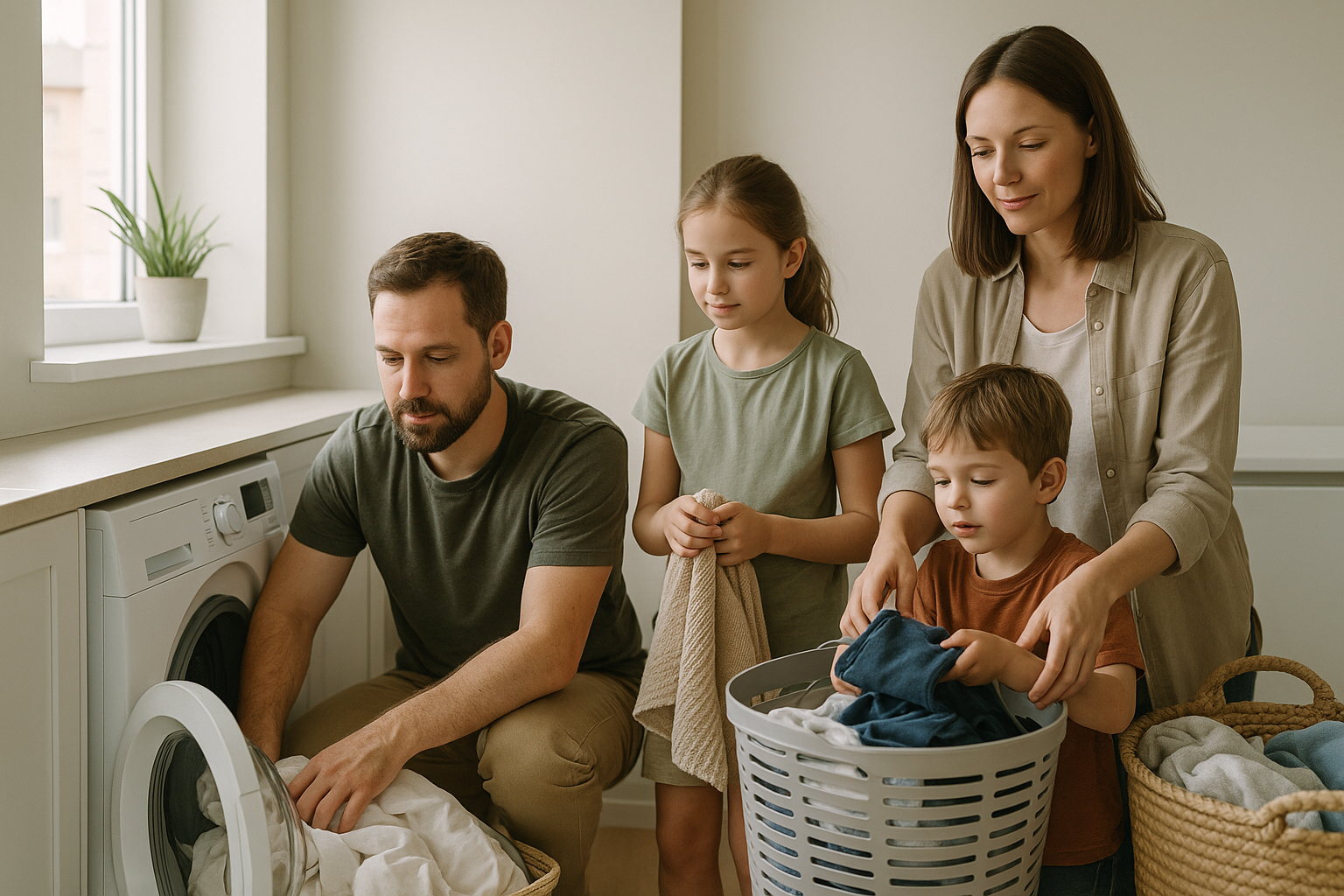
After lice treatment, laundry is about preventing reinfestation—not disinfecting your entire home. Head lice survive less than 48 hours off the scalp, so only items used recently matter. Focus on clothing, bedding, and fabrics that had direct head contact in the two days before treatment.
For a broader post-treatment checklist, see the professional guidance in the Lice Institute of America resource center.
What Laundry Actually Needs Washing
You do not need to wash everything you own. Prioritize these items:
- Sheets, pillowcases, blankets, and comforters
- Clothes worn in the last 48 hours
- Sleepwear, hoodies, hats, scarves, and coats
- Towels and washcloths
Items that were stored away or not recently used do not need to be laundered.
What Temperature Kills Lice
Heat is what kills lice and nits—not detergent or additives. The CDC recommends washing laundry in water that reaches at least 130°F (54°C).
According to the CDC, “Machine wash and dry clothing, bed linens, and other items used by the infested person in the two days before treatment using hot water (130°F) and high heat drying.”
CDC guidance.
Best washing practices
- Use the hottest water safe for the fabric
- Regular laundry detergent is sufficient
- No need for bleach, vinegar, or special lice products
Drying Clothes: The Step That Matters Most
When it comes to drying clothes, lice are far less likely to survive the dryer than the washer. High, sustained heat is lethal to both lice and eggs.
- Dry on high heat for at least 30 minutes
- Drying alone (without washing) is effective for some items
- Do not air-dry items that may be infested
If you’re unsure whether home care is enough, you can also find a certified lice treatment clinic for professional confirmation.
Handling Items You Can’t Wash
Some items can’t go in the washer or dryer. Safe options include:
- Bagging: Seal items in a plastic bag for 48 hours
- Dryer-only treatment: High heat for 30 minutes if fabric allows
- Freezing (optional): 12–24 hours below 0°F for small items
Lice cannot survive without a human host, so extended isolation is unnecessary.
Common Laundry Mistakes After Lice
- Washing the entire wardrobe unnecessarily
- Using lice sprays or fumigants on fabrics
- Skipping the dryer or using low heat
- Cleaning items that had no head contact
Over-cleaning increases stress without improving outcomes.
FAQ
Do I need to wash clothes immediately after lice treatment?
Yes, wash items used in the previous 48 hours as soon as possible after treatment.
Is washing bedding for lice really necessary?
Yes. Pillowcases and sheets have direct head contact and should always be washed.
Can lice survive a regular wash cycle?
If the water is below 130°F and items are air-dried, survival is possible.
Does drying clothes kill lice?
Yes. High heat in the dryer is one of the most reliable ways to kill lice and nits.
How long do lice live on clothes?
Typically less than 48 hours without a human host.
Should I clean laundry baskets and hampers?
Yes. Wipe hard surfaces or wash removable fabric liners.
Do I need professional help if lice keep coming back?
Recurring cases often benefit from professional care. Learn about training standards at the Lice Institute of America certification program.
References
- Centers for Disease Control and Prevention
- American Academy of Pediatrics
- National Association of School Nurses