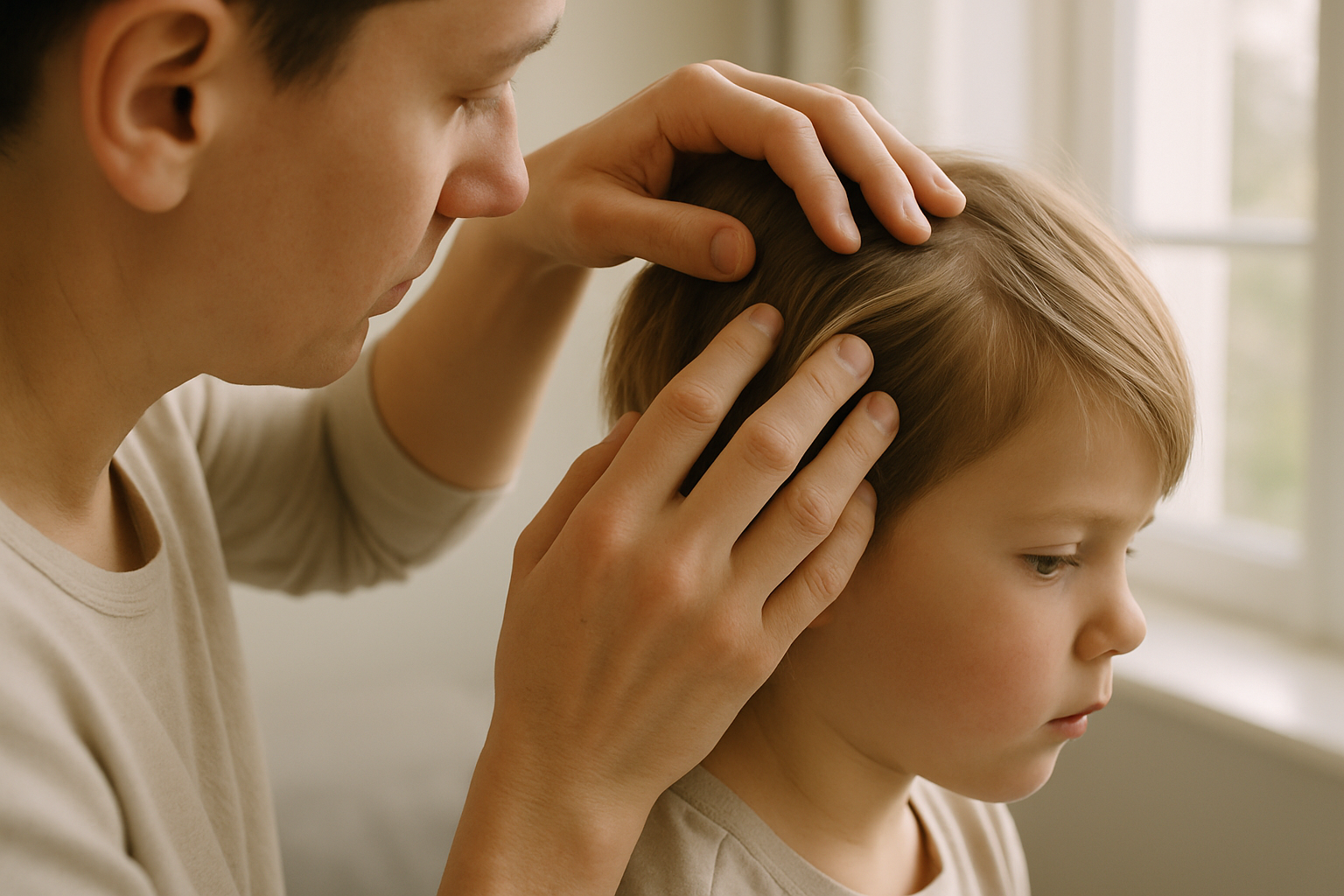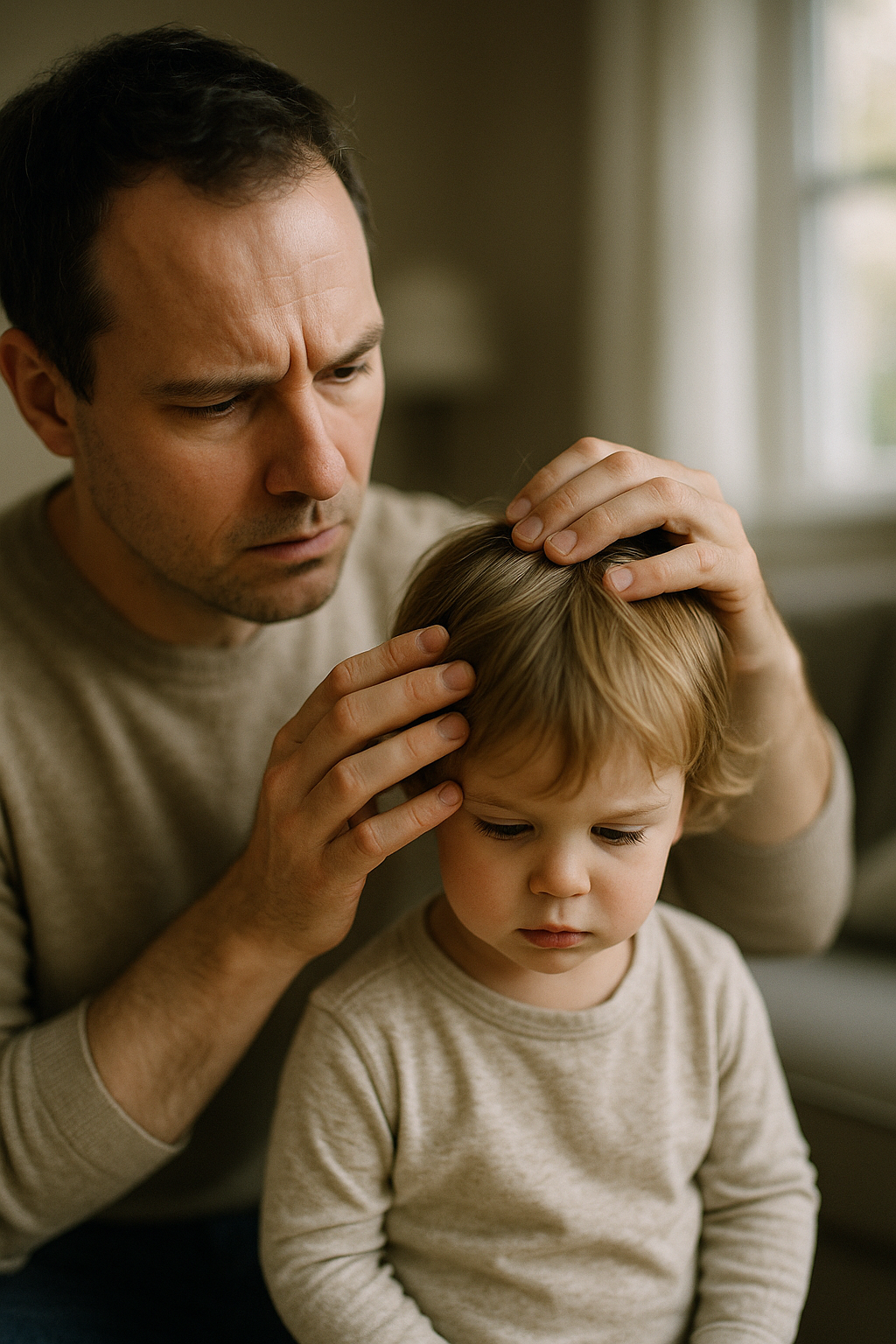
Do You Need to Fumigate Your Home for Lice?

Do You Need to Fumigate Your Home for Lice?
No—you do not need to fumigate your home for lice. Fumigation, foggers, and whole-house sprays are unnecessary and can expose your family to harmful chemicals without reducing the risk of reinfestation.
Short answer
Head lice live on the human scalp and depend on frequent blood meals. Once they fall off, they quickly weaken and die. This is why health authorities and professional lice organizations do not recommend fumigating homes for lice. For evidence-based education on lice behavior and control, see the Lice Institute of America.
Why fumigation isn’t necessary
Fumigation targets pests that live in walls, floors, or open spaces. Head lice do none of these. They cannot fly, jump, or survive in the environment long enough to justify chemical treatment. According to the CDC, “Do not use fumigant sprays or fogs; they are not necessary to control head lice and can be toxic if inhaled or absorbed through the skin.” CDC Head Lice Guidance.
Excessive environmental treatments often increase stress without improving outcomes and may delay proper scalp treatment.
Lice on furniture and household items
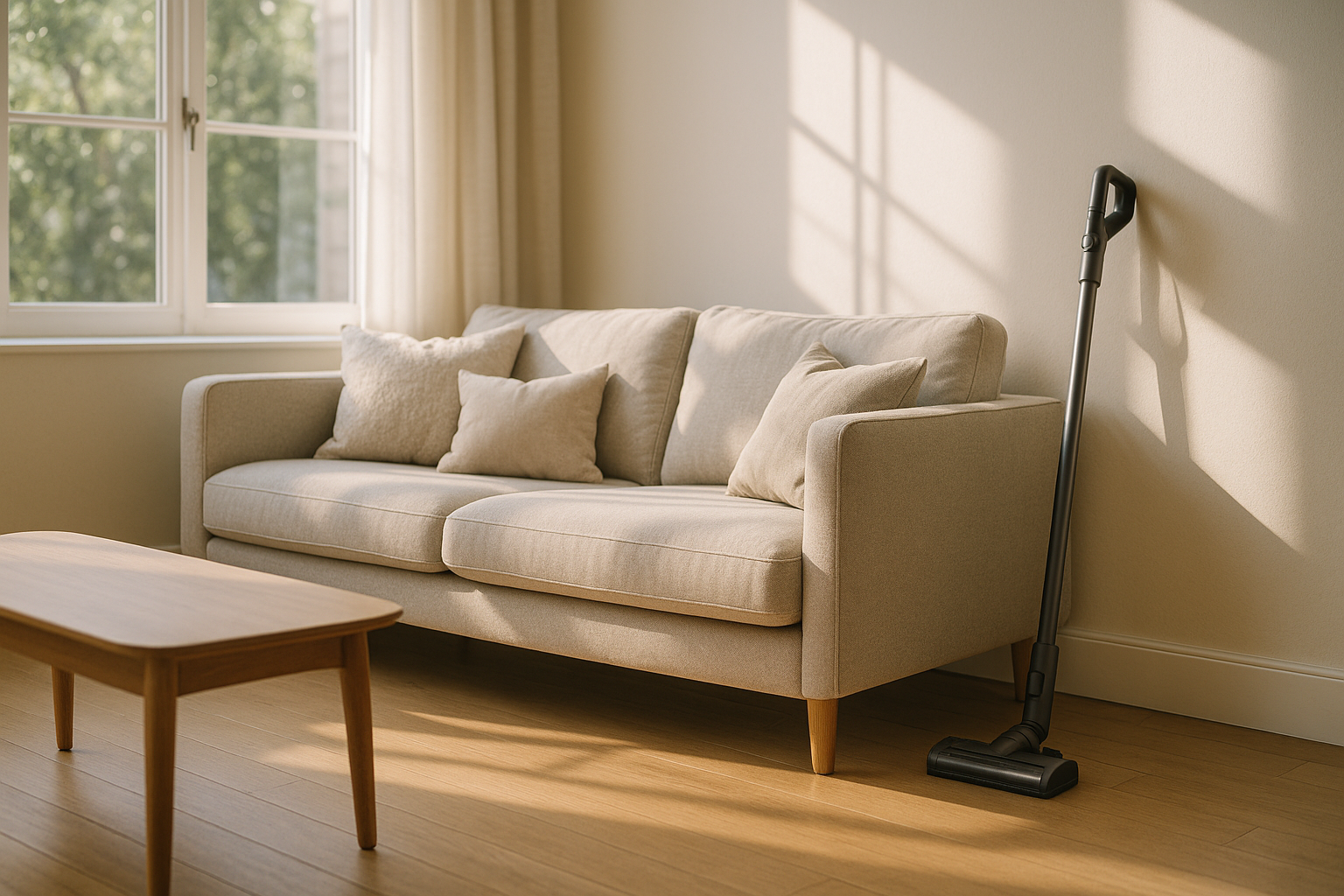
Lice on furniture are uncommon and short-lived. A louse that crawls onto a couch or pillow is usually weak and unlikely to transfer to another person. Routine vacuuming is sufficient. There is no need to discard furniture or use chemical sprays. Families looking for authoritative, medically reviewed guidance can learn more about the Institute’s standards.
How long lice survive off the head
One of the most misunderstood points is how long lice survive off head contact. In most cases, adult lice die within 24–48 hours without feeding. Nits (eggs) require the warmth of the scalp to hatch, making environmental spread extremely unlikely.
What you should clean instead
Instead of fumigating, focus on targeted, practical steps:
- Wash bedding, hats, and recently worn clothing in hot water (130°F or higher).
- Dry items on high heat for at least 20 minutes.
- Seal non-washable items in a bag for two weeks.
- Vacuum floors, car seats, and upholstered furniture.
If you’re unsure whether cleaning is enough, you can locate expert guidance or local providers through the certified clinic directory.
Sprays for lice: what to avoid
Many over-the-counter sprays for lice claim to kill lice on surfaces, but most add little value. These products do not prevent reinfestation and may irritate skin or lungs. The most common mistake families make is relying on environmental sprays instead of thoroughly treating the scalp and removing nits.
When professional help makes sense
If lice keep returning despite correct treatment, professional removal may help ensure complete nit removal and proper follow-up. Education and hands-on expertise are critical in stubborn cases. Professionals trained through the Lice Treatment Certification Program follow standardized, evidence-based protocols.
For those interested in the professional side of lice care and public health, the Institute also offers structured business and training pathways through its franchise and clinic programs.
FAQ
Do I need to bomb my house if my child has lice?
No. Bombing or fogging your house is ineffective against lice and poses unnecessary health risks.
Can lice live in carpets or mattresses?
Lice may briefly end up on these surfaces, but they cannot survive long without a human host.
Are lice on furniture contagious?
The risk of transmission from furniture is extremely low and not a primary cause of reinfestation.
How long should I clean after lice?
Focus on items used in the 48 hours before treatment. Ongoing deep cleaning is not required.
Do sprays for lice prevent reinfestation?
No. Reinfestation usually comes from untreated hair or missed nits, not the home environment.
Should I call pest control for lice?
No. Pest control treatments are designed for insects that live in structures, not on people.
Can pets carry human lice?
No. Human lice do not live on or spread through pets.
References
- Centers for Disease Control and Prevention
- American Academy of Pediatrics
- Michigan State University Extension