Cleaning Hair Brushes After Lice: Safe, Proven Steps

Cleaning Hair Brushes After Lice: What Actually Works
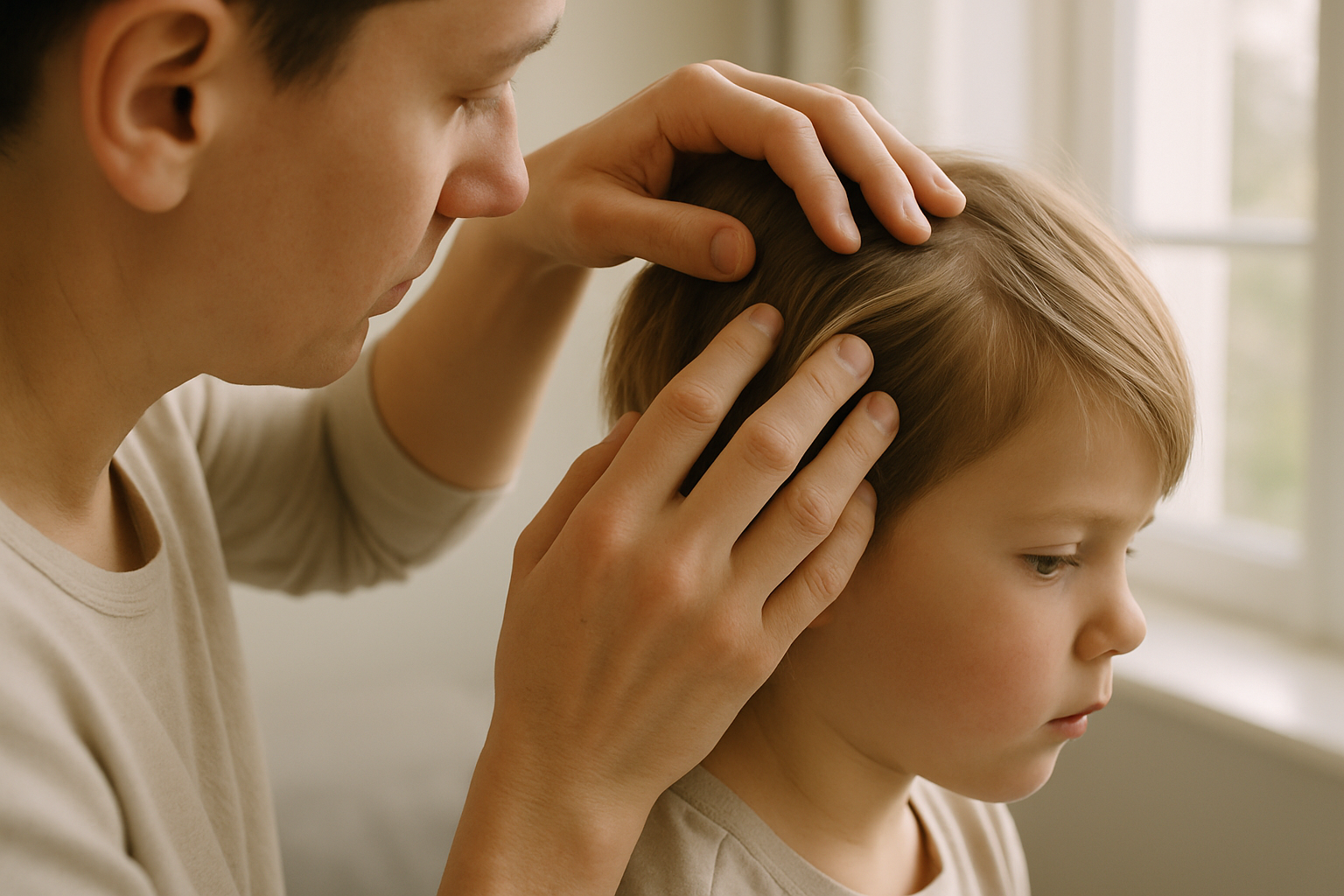
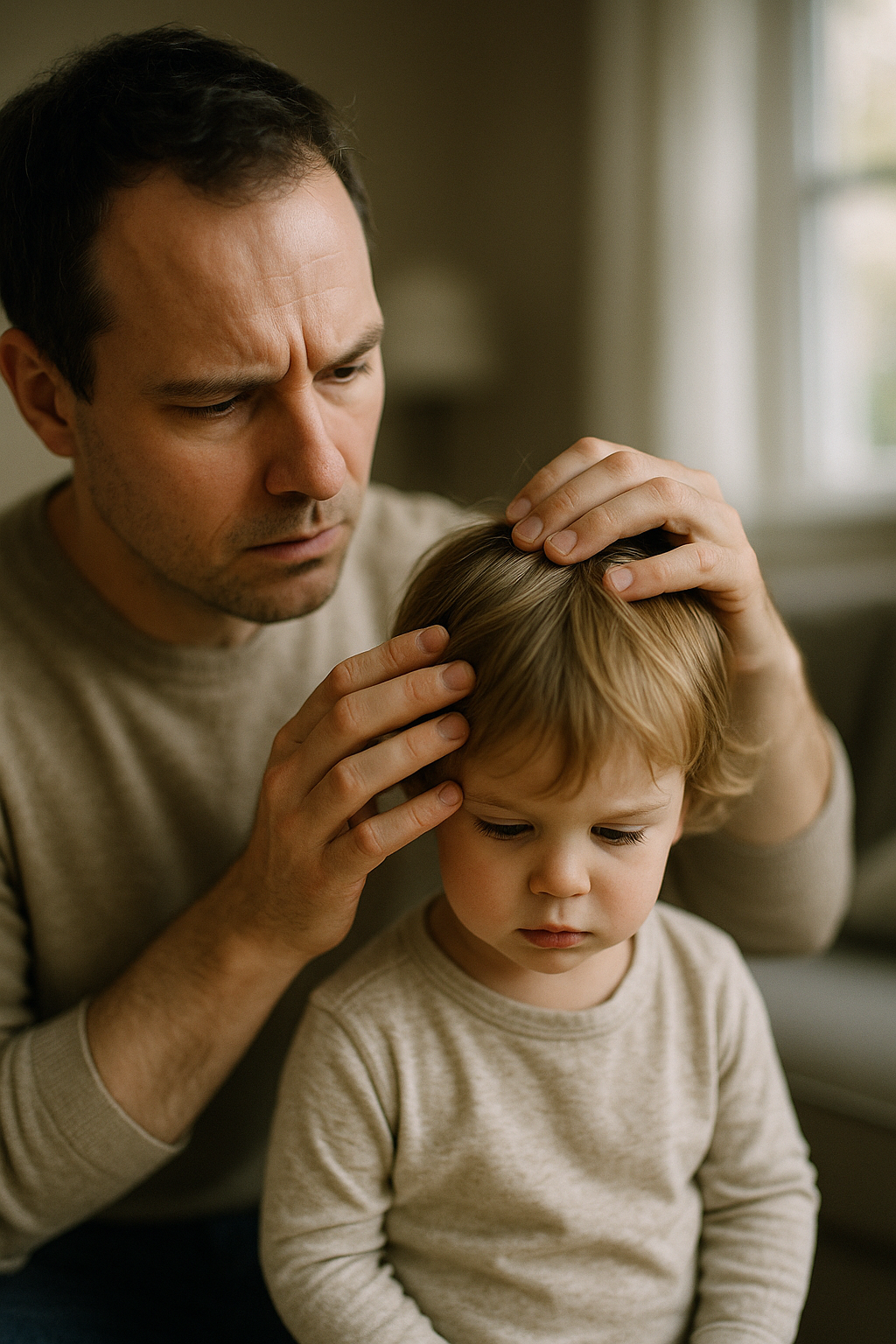
If you or your child has had head lice, cleaning hair brushes after lice exposure is essential to prevent reinfestation. Brushes and combs can temporarily harbor live lice or nits if used immediately after treatment. The good news: you do not need to throw everything away. You just need to clean and disinfect hair tools correctly.
Why cleaning hair brushes after lice matters
Head lice survive by feeding on the scalp, but they can live off the head for up to 24–48 hours. If a brush or comb is reused too soon, it can reintroduce lice back onto clean hair. Evidence-based lice protocols emphasize proper tool hygiene as part of complete treatment, alongside hair checks and follow-up care. Educational guidance from the Lice Institute of America resources consistently includes brush and comb sanitation.
Step-by-step: how to clean brushes and combs after lice
- Remove all trapped hair. Use fingers or a disposable tool to pull out visible hair first.
- Wash with soap. Scrub bristles and teeth with dish soap and warm water to remove debris.
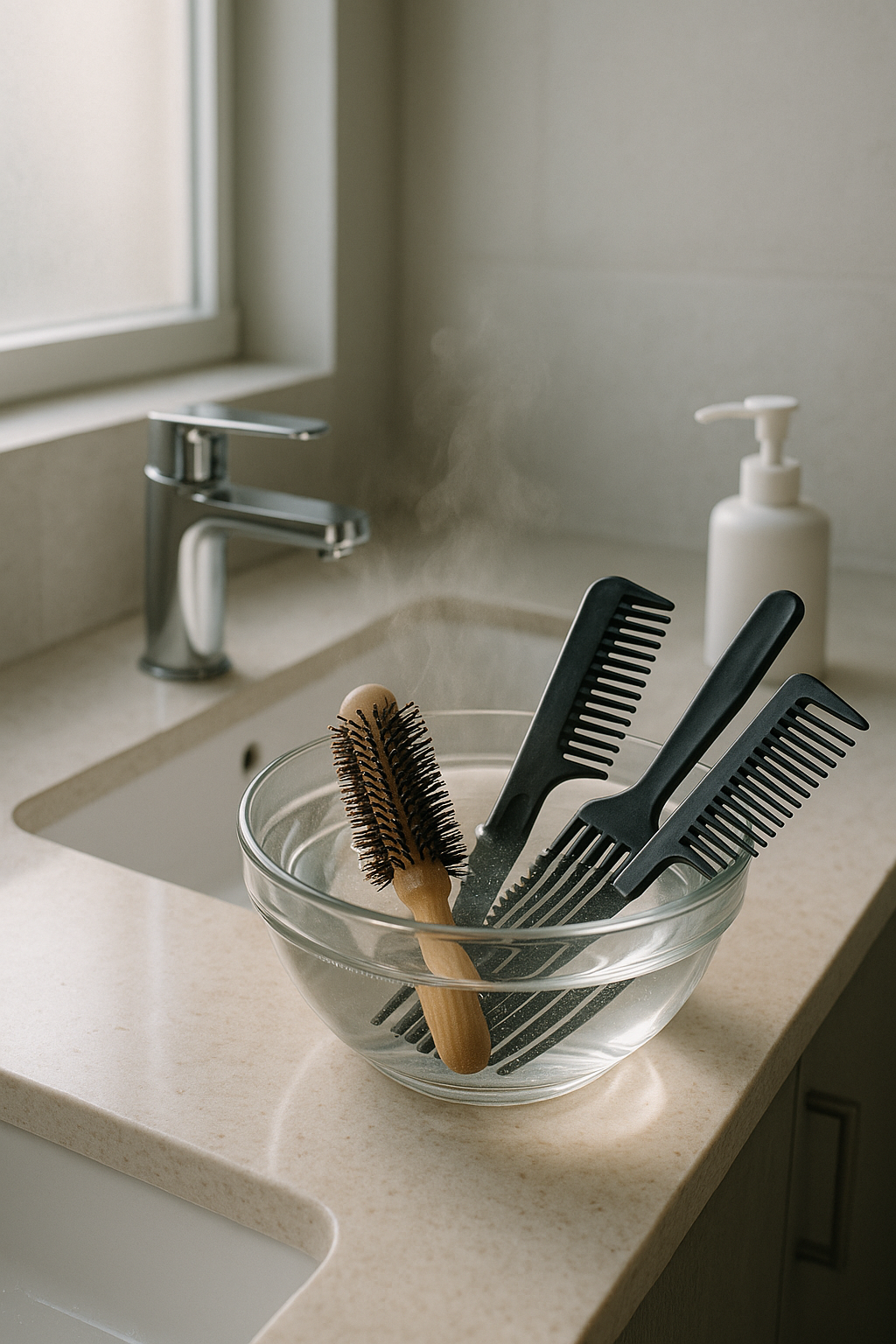
- Disinfect using heat or soaking. This is the step that kills lice and nits.
- Rinse and dry completely. Air-dry on a clean towel before reuse.
These steps align with professional standards developed by experts outlined on the About the Lice Institute of America page.
Best ways to disinfect hairbrushes and combs
Choose the method that matches your brush material:
- Hot water soak (most effective): Submerge brushes and combs in water at 130°F (54°C) for 5–10 minutes.
- Boiling (metal only): Boil metal lice combs for up to 10 minutes.
- Soak combs for lice using alcohol: Use 70% isopropyl alcohol for 10–15 minutes for heat-sensitive items.
- Freezing: Seal tools in a bag and freeze for at least 12–24 hours.
Healthline notes: “Soak your lice comb for 5–10 minutes in water that’s 130°F (54°C). This can sanitize the comb and disinfect the surface from any surviving lice or nits.”
(source)
Common mistakes to avoid
- Using warm (not hot) water that does not reach lice-killing temperatures
- Skipping disinfection and only rinsing with soap
- Reusing brushes before they are fully dry
- Sharing brushes between family members during treatment
Professional training programs such as the lice treatment certification stress that incomplete cleaning is a common cause of repeat infestations.
When to replace brushes instead of cleaning
Cleaning is usually sufficient. Consider replacement only if:
- The brush is damaged or impossible to clean thoroughly
- It has fabric padding or porous materials that trap moisture
- It is inexpensive and heavily contaminated
Discarding is rarely necessary and not routinely recommended by professionals listed in the certified clinic directory.
When professional lice help makes sense
If lice keep returning despite correct home care, professional treatment can help identify missed nits or treatment gaps. Families in New York often benefit from same-day evaluations and follow-ups available through clinics affiliated with the Lice Institute of America. Education and business owners interested in deeper training may also explore the lice treatment franchise program.
FAQ
Do I need to throw away hair brushes after lice?
No. Properly disinfecting brushes and combs is enough in almost all cases.
How long should I soak combs for lice?
Soak for at least 5–10 minutes in water at 130°F or hotter.
Does rubbing alcohol kill lice on brushes?
Yes, 70% isopropyl alcohol can kill live lice when soaked for 10–15 minutes.
Can lice live on hairbrushes overnight?
Lice may survive up to 24–48 hours off the scalp, which is why cleaning matters.
Is freezing hairbrushes effective?
Freezing for at least 12–24 hours can kill lice and nits when heat is not an option.
Should I clean brushes after every lice combing session?
Yes. Clean and disinfect tools after each use during active treatment.
References
- Healthline
- Centers for Disease Control and Prevention (CDC)
- Lice Institute of America