Natural Disasters and Lice in Shelters: Prevention Guide

Natural Disasters and Lice in Shelters
Natural disasters and lice in shelters are closely linked because emergencies force large numbers of people into crowded spaces with limited hygiene resources. Understanding why lice outbreaks happen—and how to prevent them—is critical for shelter staff, volunteers, and displaced families.
Why lice spread after natural disasters
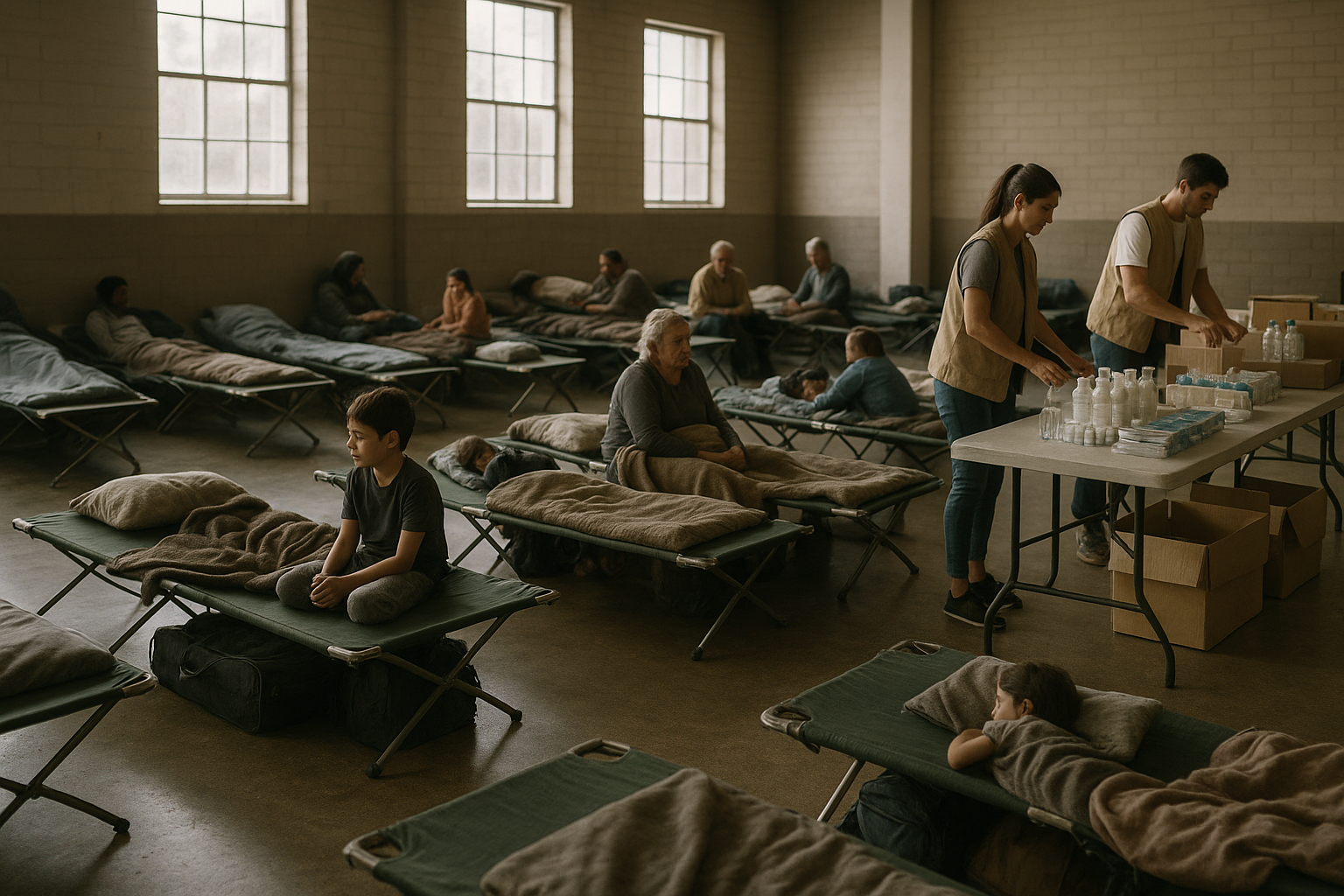
After hurricanes, floods, wildfires, or winter storms, evacuation shelters often operate under intense pressure. Crowding, shared sleeping areas, and reduced access to clean clothing create ideal conditions for lice transmission. Public health guidance for evacuation centers emphasizes that close quarters increase the risk of infectious conditions, including parasitic infestations. According to the CDC, shared living spaces and limited sanitation in evacuation centers increase exposure risk to communicable health issues (CDC).
Types of lice seen in shelters
Most lice outbreaks in shelters involve head lice, especially among children. Body lice are less common but more concerning, as they are associated with severe hygiene breakdowns and can spread illness. Professional training programs, such as those outlined by the Lice Institute of America certification program, focus on identifying and managing both types safely.
Key risk factors in emergency shelters
- High-density sleeping arrangements
- Sharing hats, blankets, pillows, or hair accessories
- Limited access to showers and laundry
- Children sleeping and playing in close contact
In New York–area shelters following major storms, these risk factors often overlap, increasing the likelihood of lice outbreaks in shelters if prevention protocols are not in place.
How to prevent lice crowding issues
Preventing lice in emergency shelters requires practical, realistic measures:
- Assign individual bedding and discourage sharing.
- Provide sealed bags for personal items.
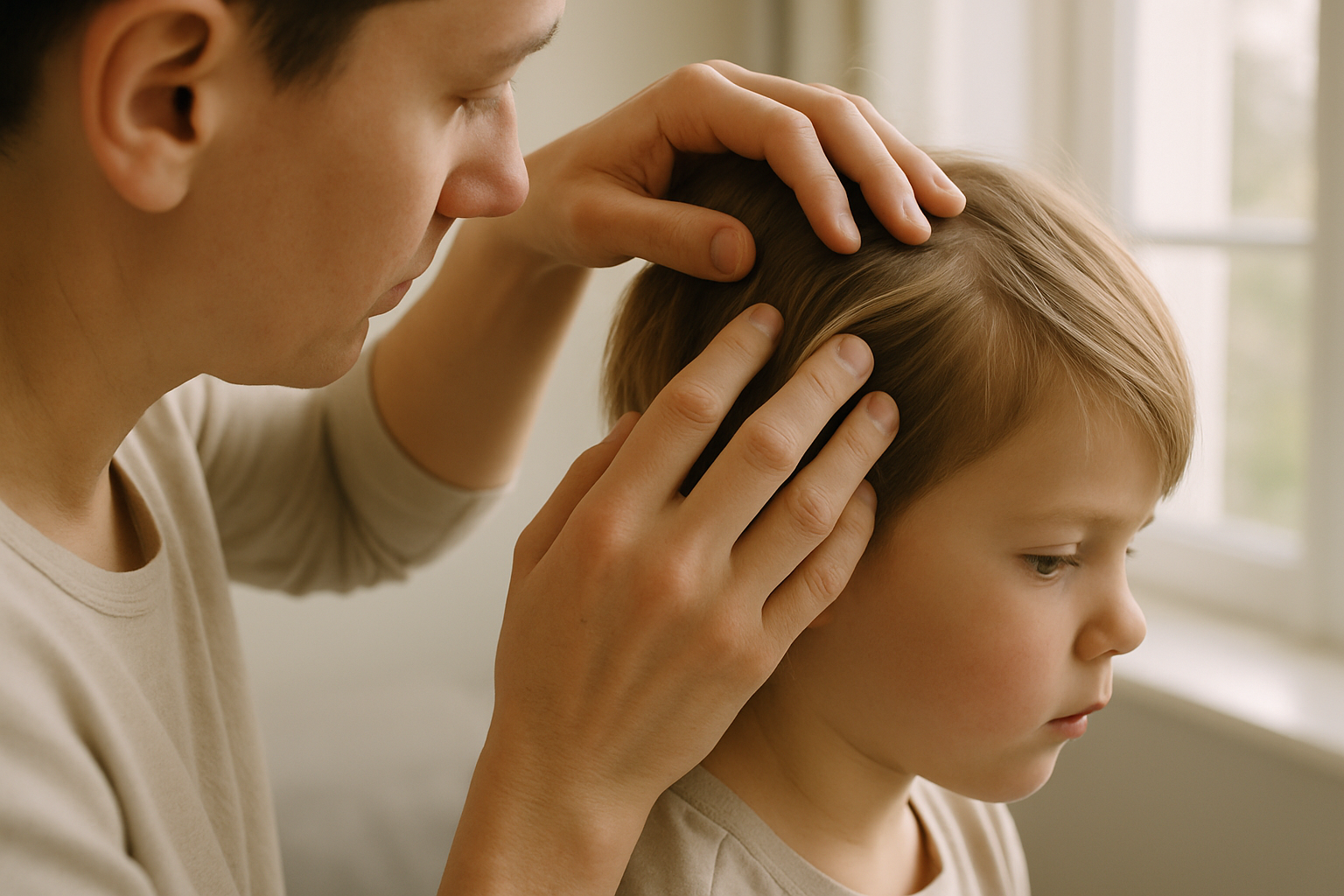
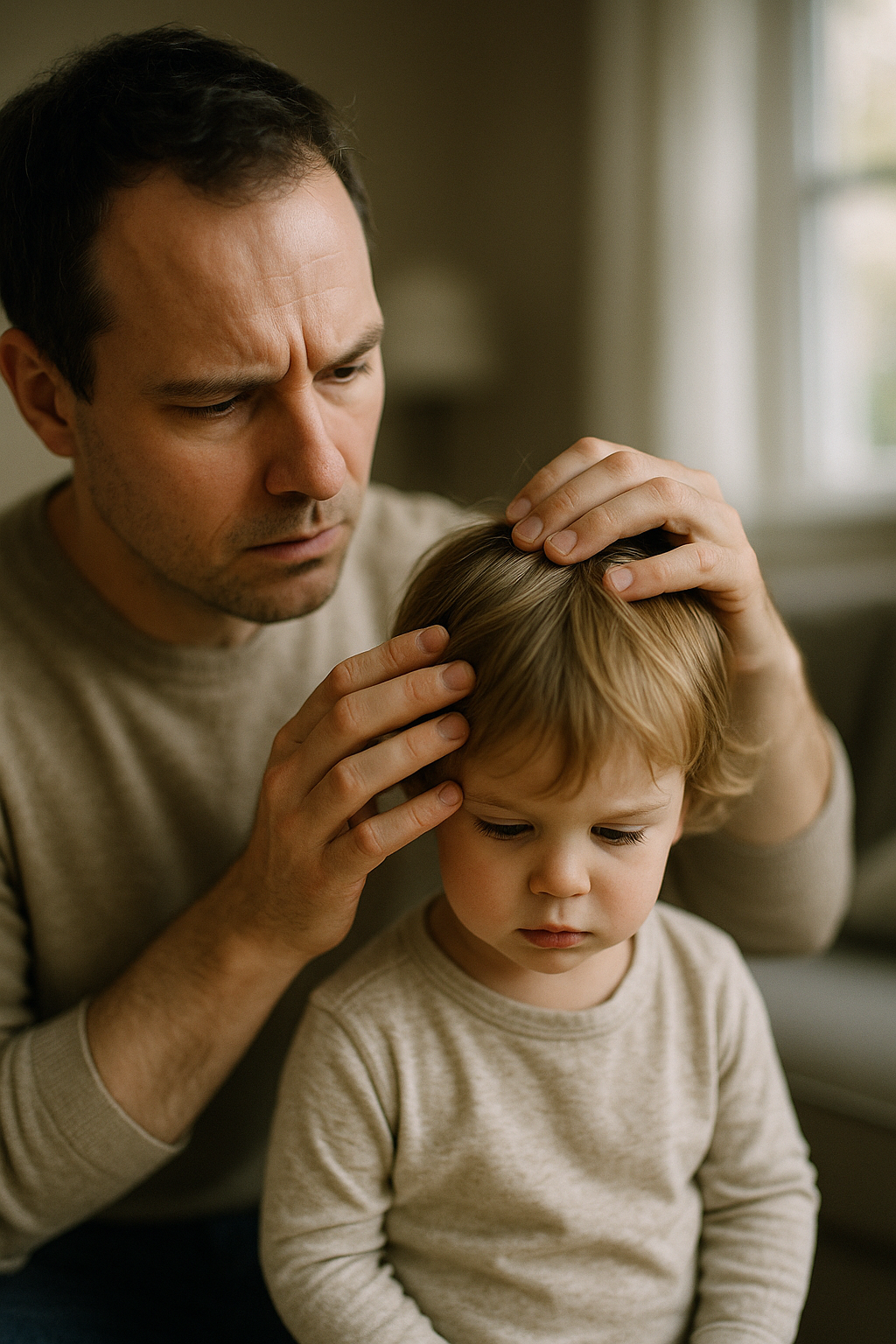
- Encourage regular hair checks, especially for children.
- Offer access to clean clothing and laundry when possible.
Educational materials from professional lice prevention resources can help volunteers recognize early signs before infestations spread.
Guidance for shelter operators
Shelter coordinators should incorporate lice protocols into overall emergency shelter hygiene planning. This includes staff training, clear reporting procedures, and access to qualified professionals. Organizations that partner with certified providers or understand industry standards—such as those promoted by the Lice Institute of America—are better prepared to respond quickly and responsibly.
What displaced families can do
Families can reduce risk by keeping personal items separate, avoiding head-to-head contact, and checking children’s hair every few days. If lice are suspected, seeking guidance from trained professionals rather than attempting improvised treatments is important. In some regions, clinics affiliated with programs like certified lice treatment networks may be available even during disaster recovery.
FAQ
Do natural disasters directly cause lice?
No. Disasters create conditions—crowding and reduced hygiene—that allow lice to spread more easily.
Are lice outbreaks common in shelters?
They are not inevitable, but lice outbreaks in shelters are well documented when prevention measures are limited.
Is head lice a sign of poor personal hygiene?
No. Head lice spread through close contact, not cleanliness.
Should shelters close if lice are found?
Generally no. The focus should be on containment, treatment, and prevention.
Can body lice spread disease?
Yes. Body lice are associated with serious illnesses in extreme conditions.
How quickly can lice spread in crowded shelters?
Transmission can occur within days when people sleep or rest in close proximity.
What’s the biggest mistake shelters make?
Ignoring early signs and delaying response.
Are children at higher risk?
Yes. Children are more likely to have close head-to-head contact.
References
- Centers for Disease Control and Prevention
- World Health Organization
- American Red Cross