How to Clean Your House After Lice (Step-by-Step)

How to Clean Your House After Lice
If someone in your home had lice, the goal is simple: remove any lice that may have fallen off the head in the last 24–48 hours without wasting time, money, or energy on unnecessary deep cleaning. Lice do not live in your home environment long-term, and overcleaning is one of the most common mistakes families make.
What Actually Matters After Lice
Head lice survive by feeding on human blood. Once they are off the scalp, they typically die within 24–48 hours. This means cleaning after lice should focus only on items that had direct head contact recently.
According to the CDC, environmental transmission is rare. As they state, “Head lice do not survive long if they fall off a person and cannot feed.”
For evidence-based guidance on lice biology and transmission, see the educational materials from the Lice Institute of America resources.
Do You Need to Deep Clean?
No. You do not need to fumigate your house, steam-clean furniture, wash everything you own, or hire exterminators. Deep cleaning does not reduce reinfestation risk.
What matters most is proper head treatment. Cleaning is secondary and targeted. Many families in New York and other urban areas overclean due to misinformation, not risk.
If you are unsure whether treatment was fully effective, a professional evaluation through a certified lice treatment clinic can provide clarity before you start cleaning.
Step-by-Step Cleaning After Lice
1. Bedding and Linens
Wash pillowcases, sheets, and blankets used in the previous 48 hours.
- Wash in hot water (at least 130°F / 54°C)
- Dry on high heat for 20–30 minutes
Mattresses do not need special treatment beyond normal use.
2. Clothing, Hats, and Towels
Only wash items worn in the last two days.
- Hot wash and high-heat dry
- Items that cannot be washed can be placed in a sealed bag for 48 hours
3. Brushes, Combs, and Hair Accessories
- Soak in hot water (130°F+) for 5–10 minutes
- Or seal in a bag for 48 hours
Daily cleaning of hair tools is recommended during treatment. Learn more about treatment protocols in the professional treatment guidelines.
4. Furniture, Carpets, and Car Seats
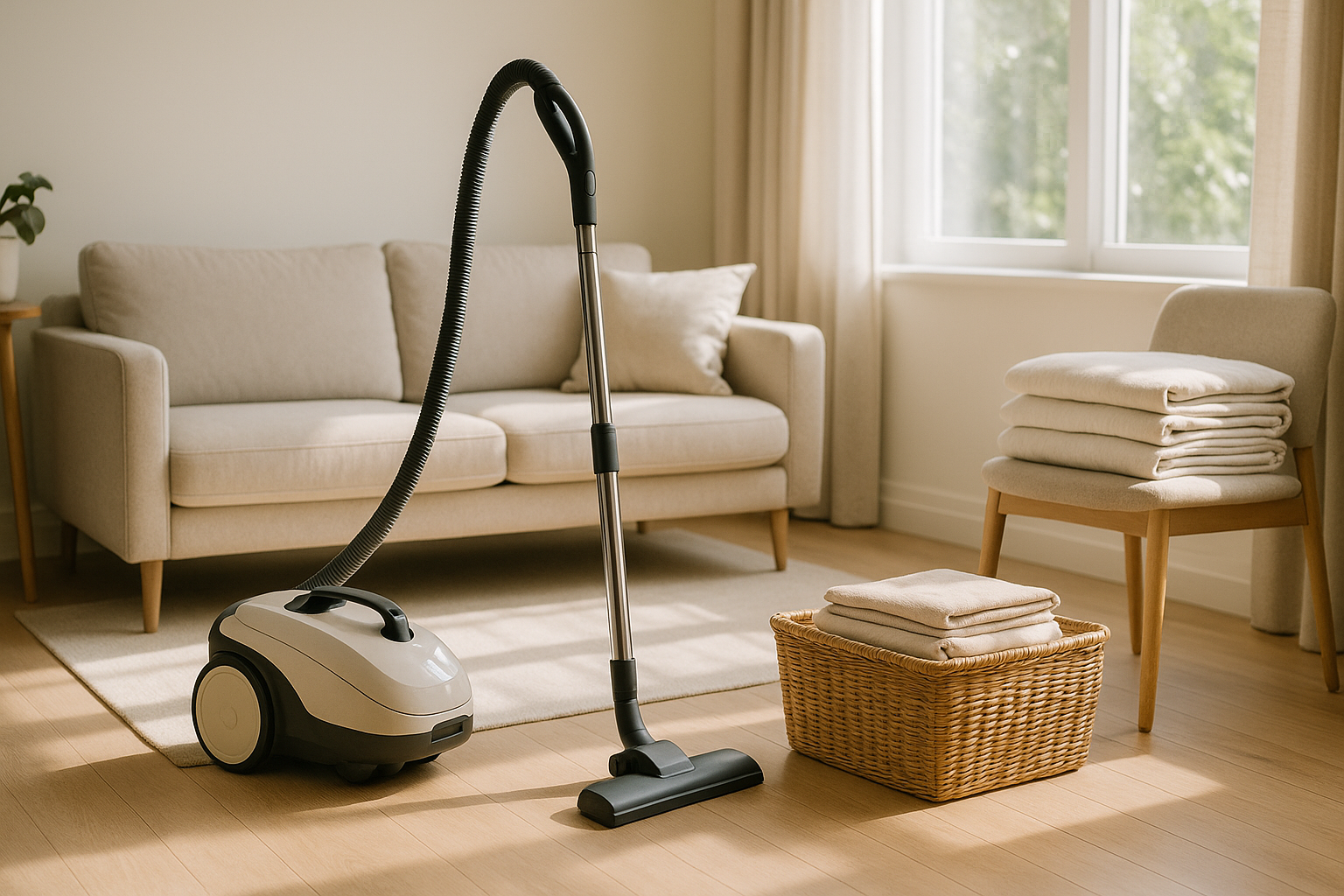
Vacuum areas where the affected person rested their head.
- Couches and chairs
- Car seats and headrests
- Rugs and carpets
Discard the vacuum contents afterward. No sprays or chemicals are needed.
5. Stuffed Animals and Soft Items
Only items slept with require attention.
- Dry on high heat for 30 minutes, or
- Seal in a bag for 48 hours
Lice Cleaning Checklist
- Wash recent bedding and pillowcases
- Launder recently worn clothing and towels
- Clean or bag hair tools
- Vacuum head-contact surfaces
- Bag or dry stuffed animals used for sleeping
- Avoid pesticides and lice sprays
For families seeking professional oversight, review the standards outlined by the Lice Institute of America.
Common Cleaning Mistakes
- Cleaning the entire house instead of targeted areas
- Using toxic lice sprays or foggers
- Washing unworn clothes
- Bagging items for weeks instead of 48 hours
- Ignoring proper head treatment
These mistakes increase stress without reducing lice risk.
FAQ
How long do lice live on furniture?
Typically less than 24–48 hours without a human host.
Do I need to wash my whole wardrobe?
No. Only items worn in the last two days.
Should I throw away pillows or brushes?
No. Proper heat or sealing is sufficient.
Do lice sprays work?
No. They are not recommended and may be harmful.
How often should I clean during treatment?
Once initially, then normal hygiene. Focus on head checks.
Can lice live in carpets?
They may fall there briefly but cannot survive long.
Is professional treatment necessary?
Not always, but it can prevent reinfestation and reduce stress.
When is my home considered safe?
After proper head treatment and targeted cleaning, immediately.
References
- Centers for Disease Control and Prevention
- WebMD
- LiceDoctors