Post Treatment Lice Checklist: What to Do After Removal

Post Treatment Lice Checklist
If lice treatment is complete, your next steps determine whether the infestation truly ends or quietly returns. This post treatment lice checklist focuses on exactly what to do after lice removal so you can protect your household and avoid reinfestation.
What to Do Immediately After Lice Treatment
The first 24 hours matter most. Follow these steps once treatment is finished:
- Change into clean clothing right after treatment.
- Place worn clothes directly into a laundry bag.
- Avoid washing hair for 24–48 hours unless your treatment instructions say otherwise.
- Notify close contacts so they can check for lice.
Professional clinics often provide written aftercare instructions. If treatment was performed by a certified provider, follow their guidance first. You can locate certified providers using the find a lice treatment clinic tool.
Hair & Scalp Care After Lice Removal
Post-treatment itching does not always mean lice are still present. Skin irritation can last for days.
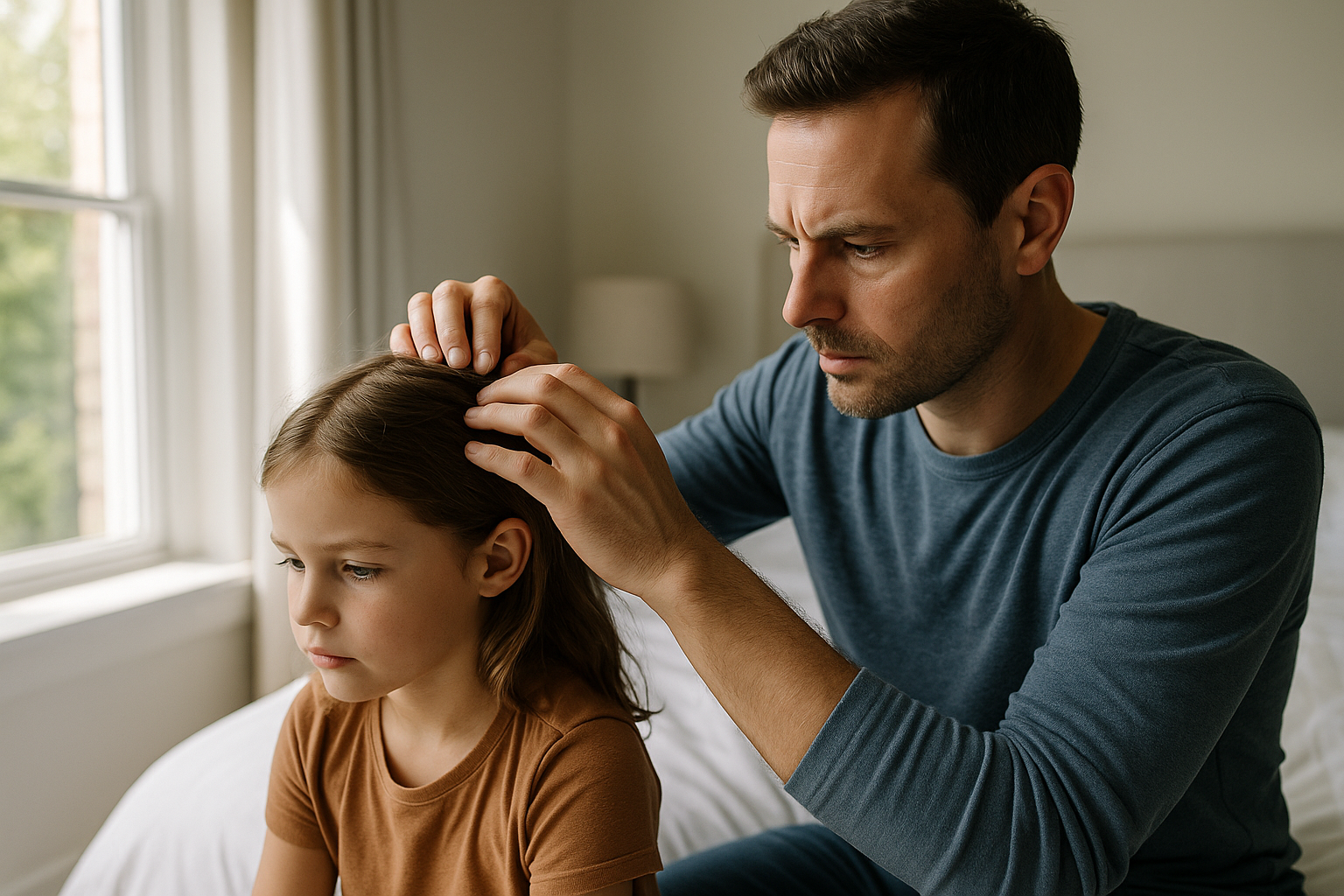
- Use a metal nit comb every 2–3 days for two weeks.
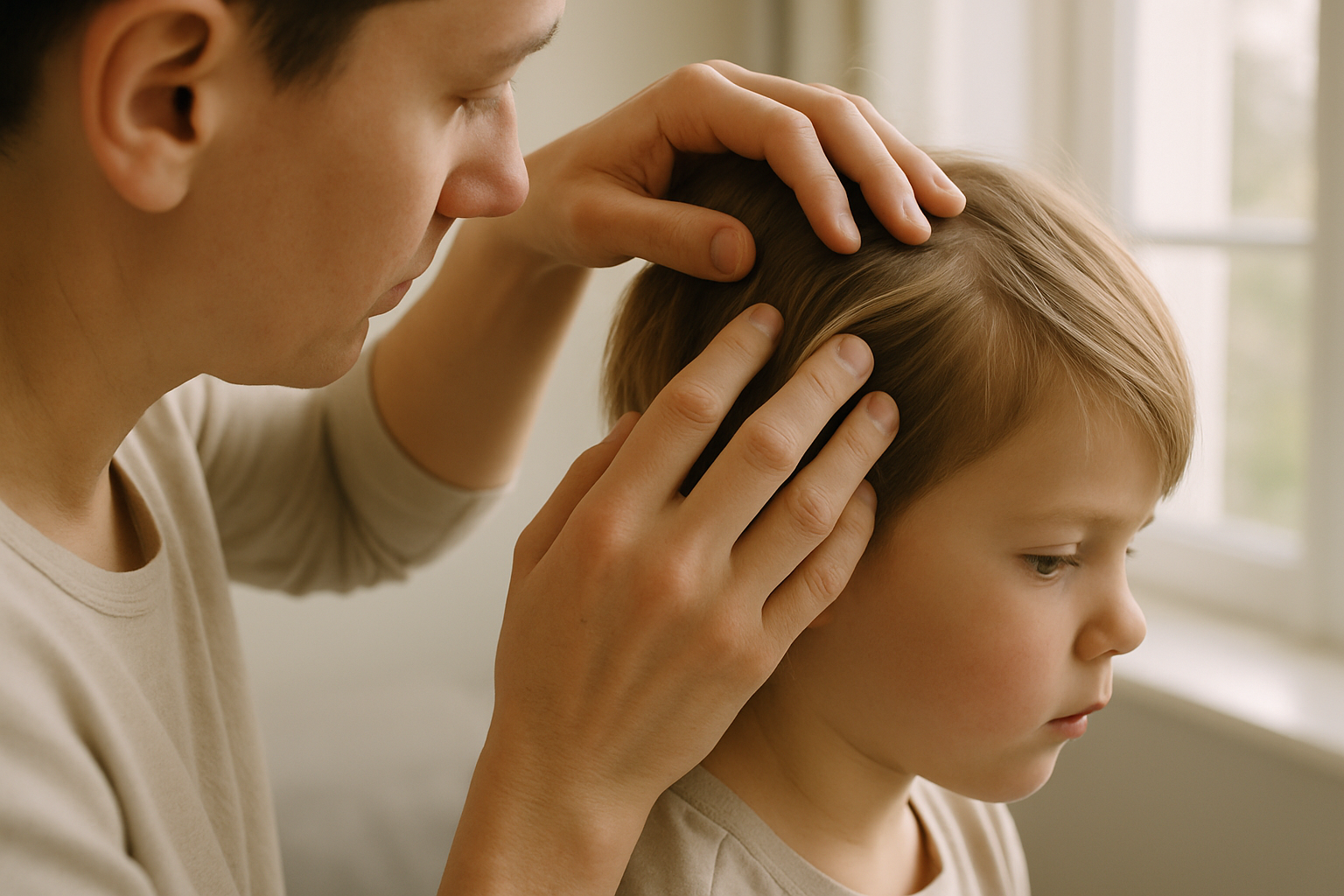
- Check behind ears and at the nape of the neck under bright light.
- Do not re-treat unless live crawling lice are found.
According to the CDC, “If you do not see any crawling lice, but only see nits, you do not need to treat again.” CDC guidance.
After Lice Treatment Cleaning at Home
Excessive cleaning is unnecessary. Lice survive less than 48 hours off the scalp.
- Wash bedding, hats, and clothing used in the last 48 hours in hot water (130°F).
- Dry items on high heat for at least 20 minutes.
- Seal non-washable items in a bag for two weeks.
- Soak combs and brushes in hot water for 5–10 minutes.
Routine vacuuming is sufficient. Sprays and foggers are not recommended. Additional professional cleaning guidance is available in the treatment resources section.
Monitoring for Reinfestation
Rechecks are critical even when treatment was successful.
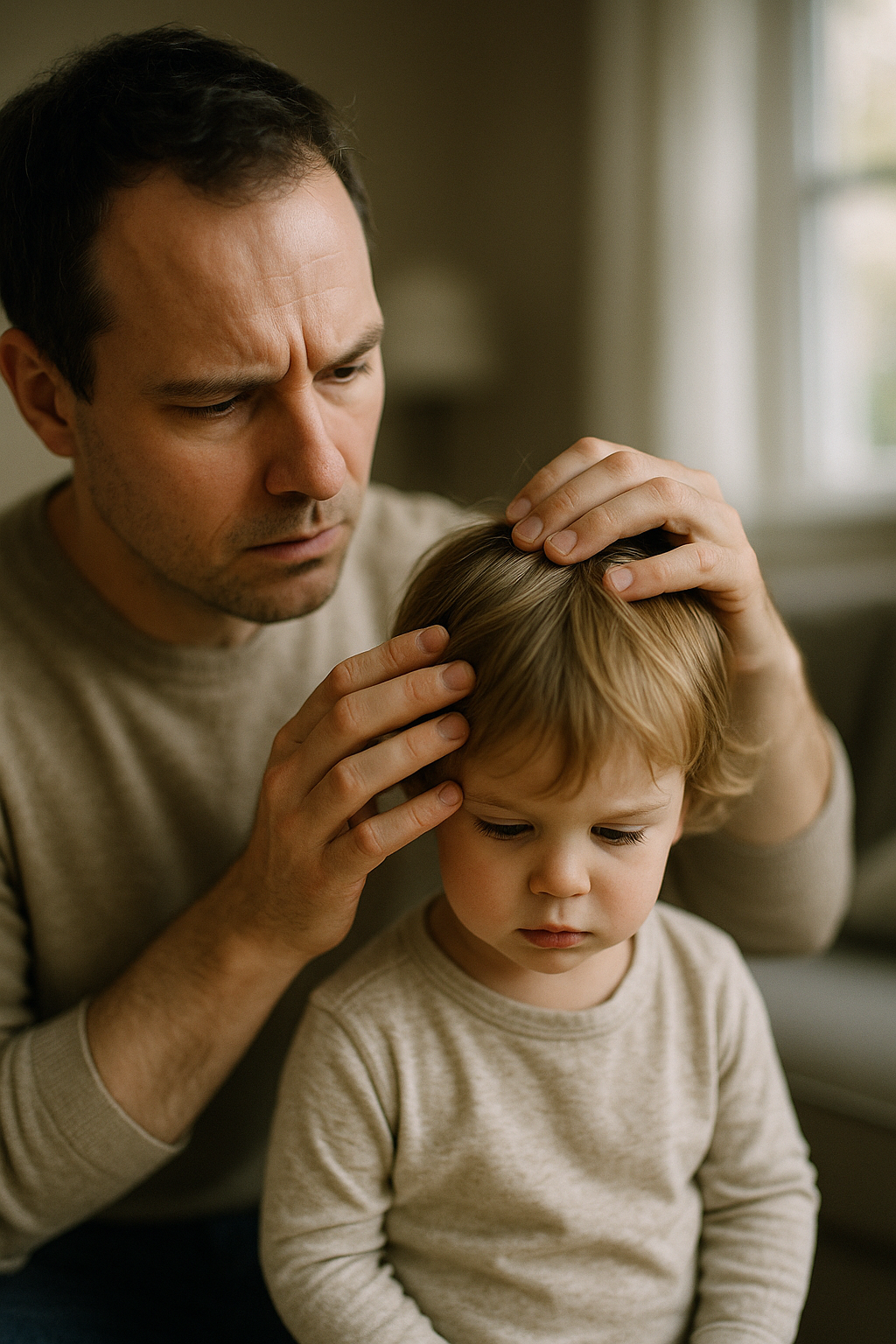
- Perform head checks every 2–3 days for two weeks.
- Recheck all household members.
- Focus on live lice, not empty nits.
If you are unsure what you are seeing, certified specialists trained through the Lice Institute certification program follow standardized identification protocols.
How to Prevent Reinfestation
Prevention is behavioral, not chemical.
- Avoid head-to-head contact during play and sleepovers.
- Do not share brushes, hats, or helmets.
- Perform weekly head checks during school outbreaks.
Families in New York often benefit from routine screenings during peak school months. Educational prevention guidance is outlined by the Lice Institute of America medical advisory team.
Common Post-Treatment Mistakes
- Re-treating too soon without seeing live lice.
- Obsessing over old nits that cannot hatch.
- Using environmental pesticides inside the home.
- Failing to check close contacts.
If lice continue to reappear despite correct aftercare, professional evaluation may be necessary. Same-day help is available through certified lice clinics.
FAQ
How long should I keep checking after lice treatment?
Check every 2–3 days for two full weeks.
Is itching normal after lice are gone?
Yes. Itching can persist for up to a week due to scalp irritation.
Do I need to wash everything in my house?
No. Only items used in the previous 48 hours require cleaning.
When should I retreat?
Only if live crawling lice are found during rechecks.
Can lice come back from furniture?
The risk is extremely low. Lice cannot survive long off the scalp.
Should siblings be treated preventively?
No. Only individuals with live lice should be treated.
Are professional treatments more reliable?
Professional manual removal reduces reinfestation risk when combined with proper aftercare.
References
- Centers for Disease Control and Prevention
- Mayo Clinic
- Johns Hopkins Medicine