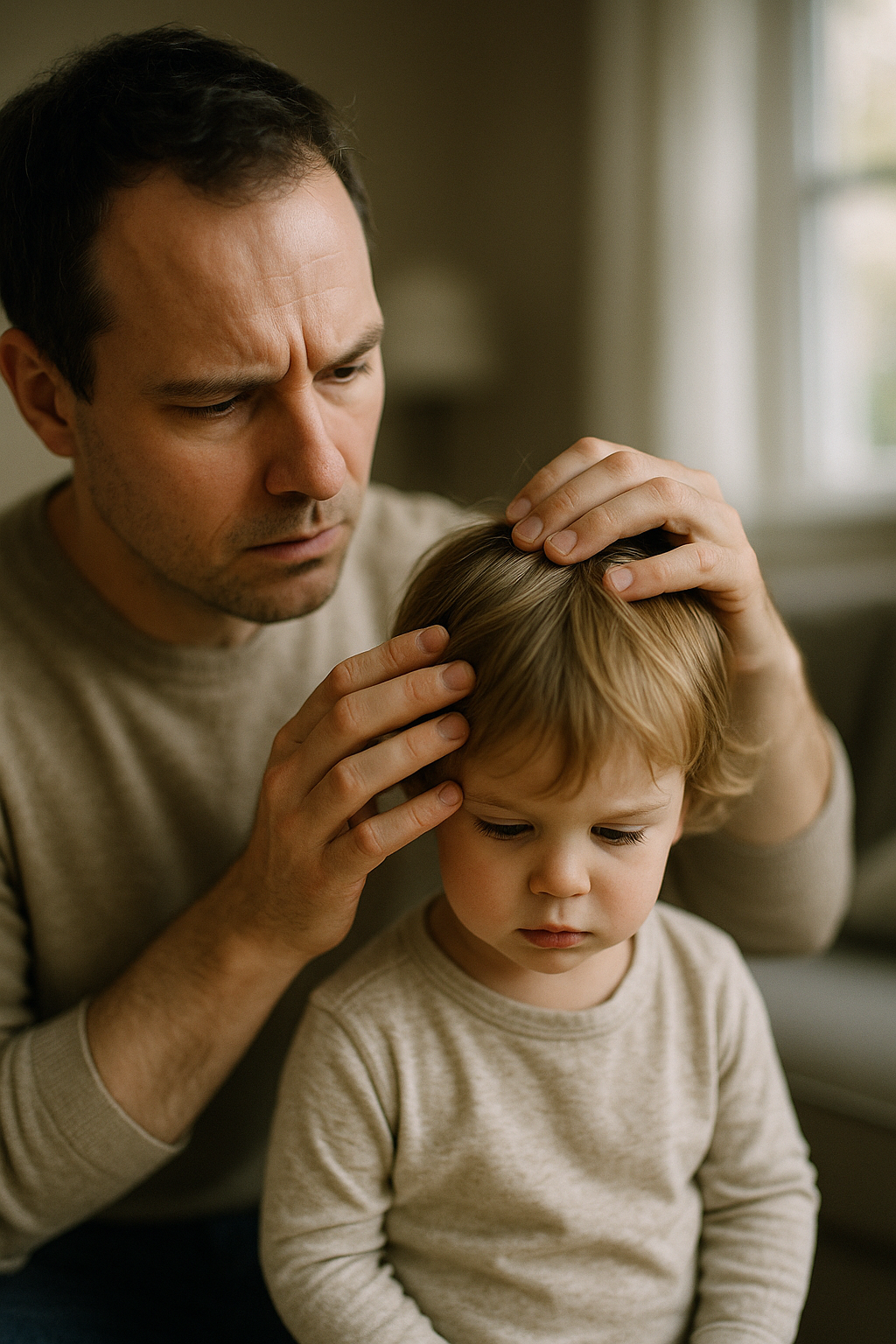
Can You Have Lice and Not Know It?

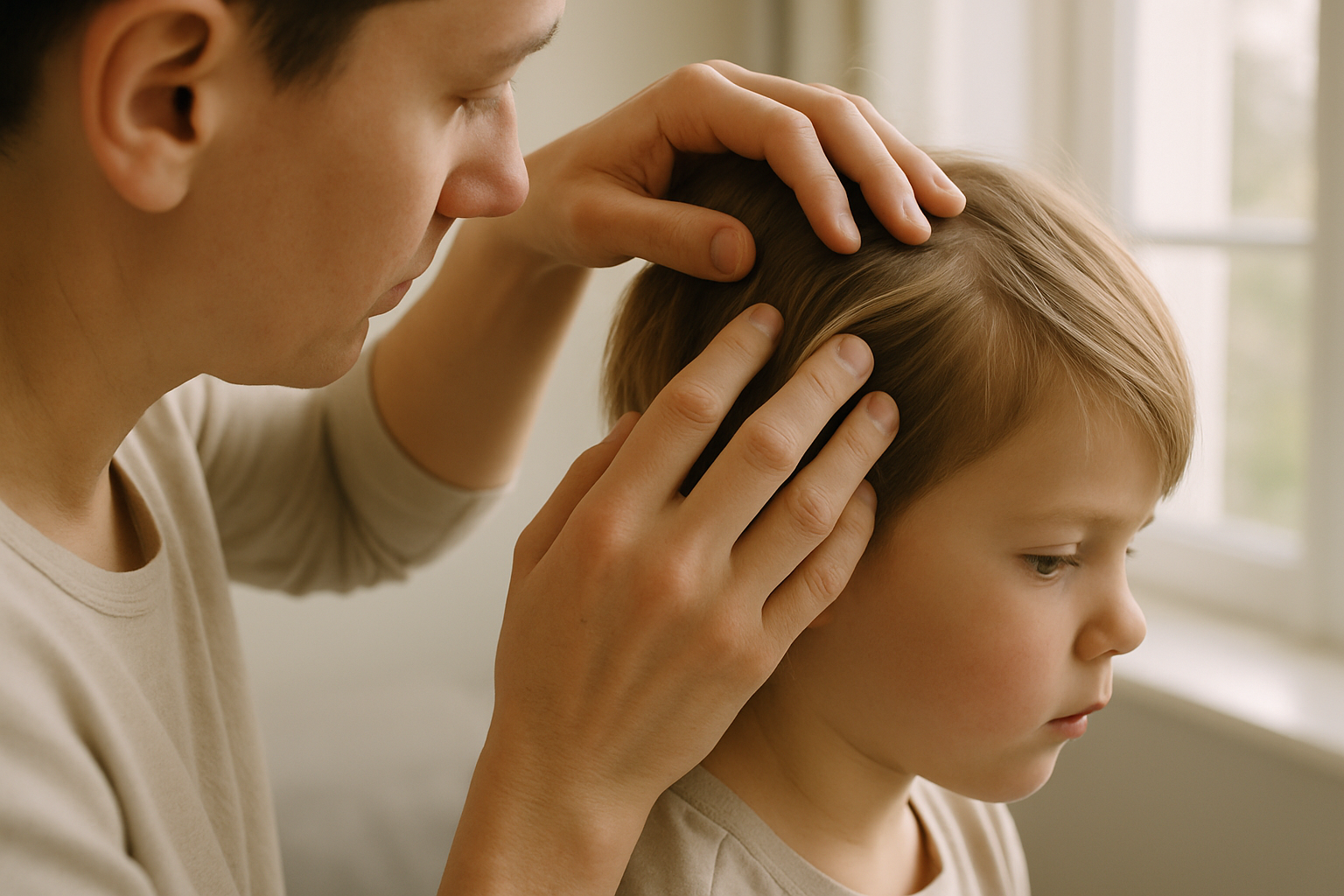
Can You Have Lice and Not Know It?
Yes, you can have lice and not know it—sometimes for weeks. This is called a silent lice infestation, and it’s more common than most people realize. Early lice symptoms can be so mild or delayed that many people mistake them for dry skin, stress, or dandruff.
Why You Might Not Know You Have Lice
Lice symptoms are caused by an allergic reaction to lice bites—not the bites themselves. If it’s your first exposure, your immune system may not react right away. According to dermatology experts, itching can take weeks to develop. The American Academy of Dermatology notes, You also can have head lice and not itch.
Source.
This delayed reaction is why many families only discover lice after routine checks at school or when multiple household members are affected. Educational resources from Lice Institute of America emphasize that lack of itching does not mean lack of infestation.
What a Silent Lice Infestation Looks Like
A silent lice infestation typically involves a small number of lice that are actively laying eggs but not yet triggering noticeable symptoms. Common characteristics include:
- No itching or only occasional scalp sensitivity
- No visible lice unless hair is closely examined
- Nits (eggs) present but mistaken for dandruff
Professional treatment providers listed through the Find Treatment directory report that many clients are shocked to learn they had lice for weeks without knowing.
Early Signs of Lice People Miss
The early signs of lice are subtle and easy to dismiss. These often include:
- Mild tickling or crawling sensation on the scalp
- Slight irritation behind the ears or at the nape of the neck
- Small red spots that look like minor skin irritation
Educational articles in the Lice Institute professional resources stress that early detection depends on visual checks, not symptoms alone.
When Lice Symptoms Are Mild
Lice symptoms can be mild for several reasons:
- First-time exposure with no immune response yet
- Low number of adult lice
- Regular hair washing masking sensations
- Attributing itching to weather, allergies, or stress
Adults, in particular, often overlook symptoms and unintentionally spread lice to children or partners before realizing there’s an issue.
How Long Lice Can Go Undetected
Lice can live on the scalp for 4 to 6 weeks before noticeable itching begins. During that time:
- Female lice lay up to 10 eggs per day
- Nits hatch and mature without detection
- Infestation severity increases quietly
This is why many professional clinics trained through the Lice Institute certification program recommend routine checks during school outbreaks, even if no one is scratching.
How to Check for Lice Correctly
If you suspect lice—or want peace of mind—use this method:
- Wet hair and apply conditioner
- Use a metal fine-toothed lice comb
- Section hair and comb from scalp to ends
- Wipe comb on a white paper towel between passes
- Check behind ears and at the neckline carefully
If you’re unsure what you’re seeing, trained professionals found through certified clinics can confirm infestation accurately.
What to Do If You Suspect Lice
If you think you might have lice but aren’t sure:
- Do not wait for itching to worsen
- Avoid using random treatments without confirmation
- Check all household members
- Seek help from a trained lice professional
For families in New York and nationwide, the Lice Institute network connects you with evidence-based, non-toxic treatment options.
FAQ
Can you really have lice without itching?
Yes. Especially during a first infestation, itching may not appear for weeks.
Are lice symptoms always obvious?
No. Many cases involve mild or silent symptoms.
How common are silent lice infestations?
They are very common, particularly in children and adults with first-time exposure.
Can adults have lice and not know it?
Yes. Adults often dismiss early signs as stress or skin issues.
Do clean people get lice?
Yes. Lice are unrelated to hygiene.
Should I treat lice if I’m not sure?
No. Confirm infestation first to avoid unnecessary treatment.
How often should I check my child’s hair?
Weekly checks are recommended during school outbreaks.
References
- American Academy of Dermatology
- Mayo Clinic
- Cleveland Clinic