How to Talk to Your Kids About Lice Without Shame

How to Talk to Your Kids About Lice
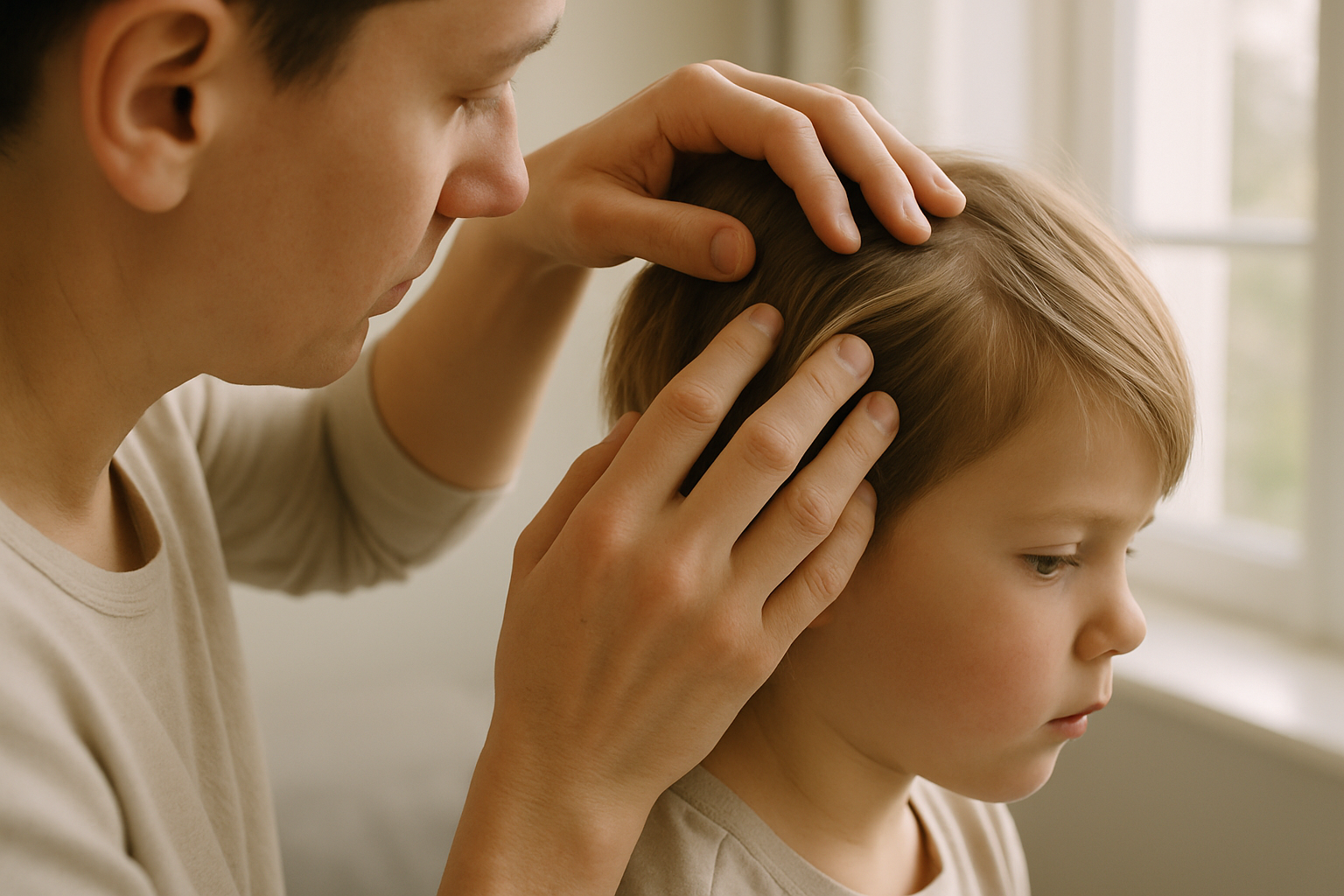
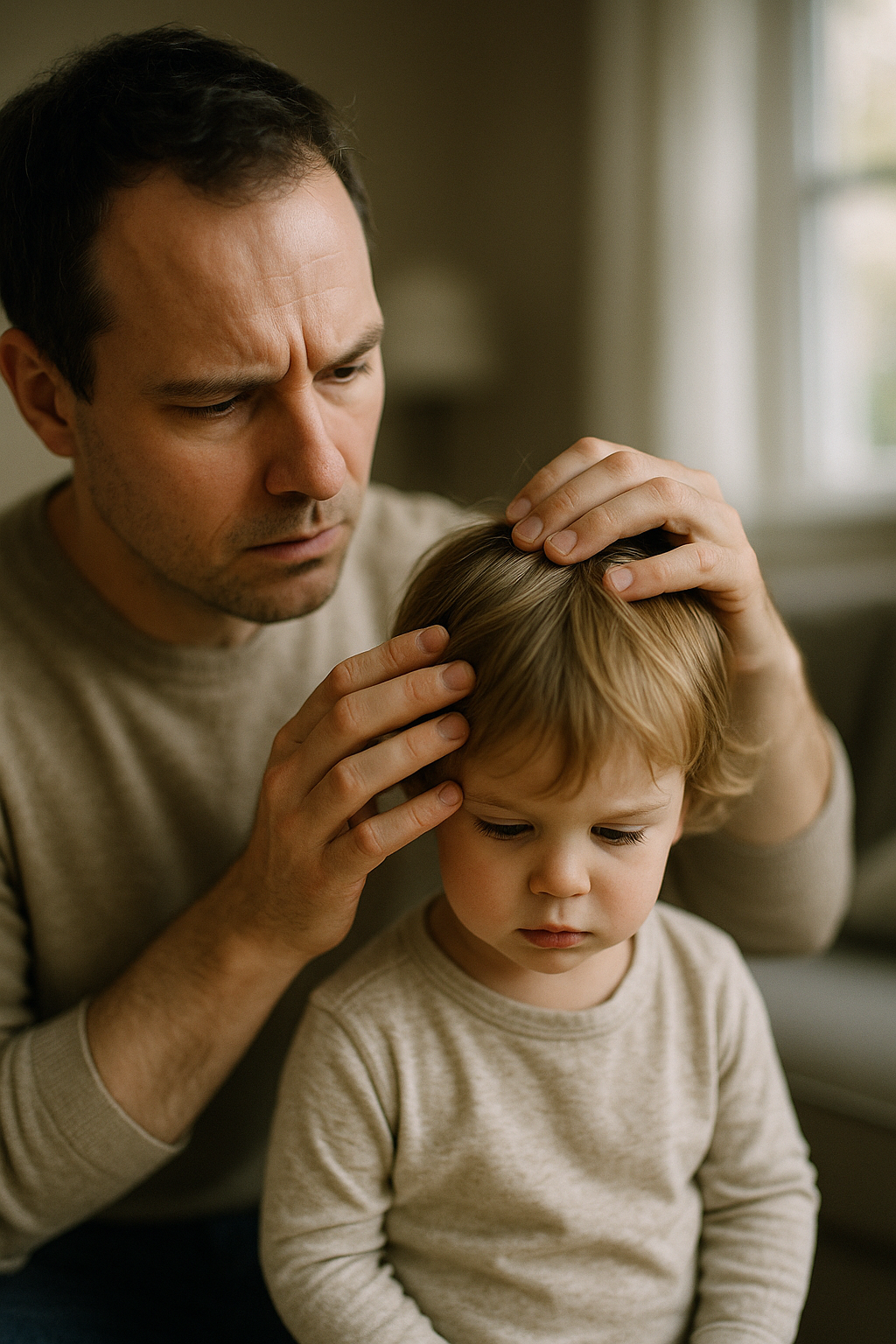
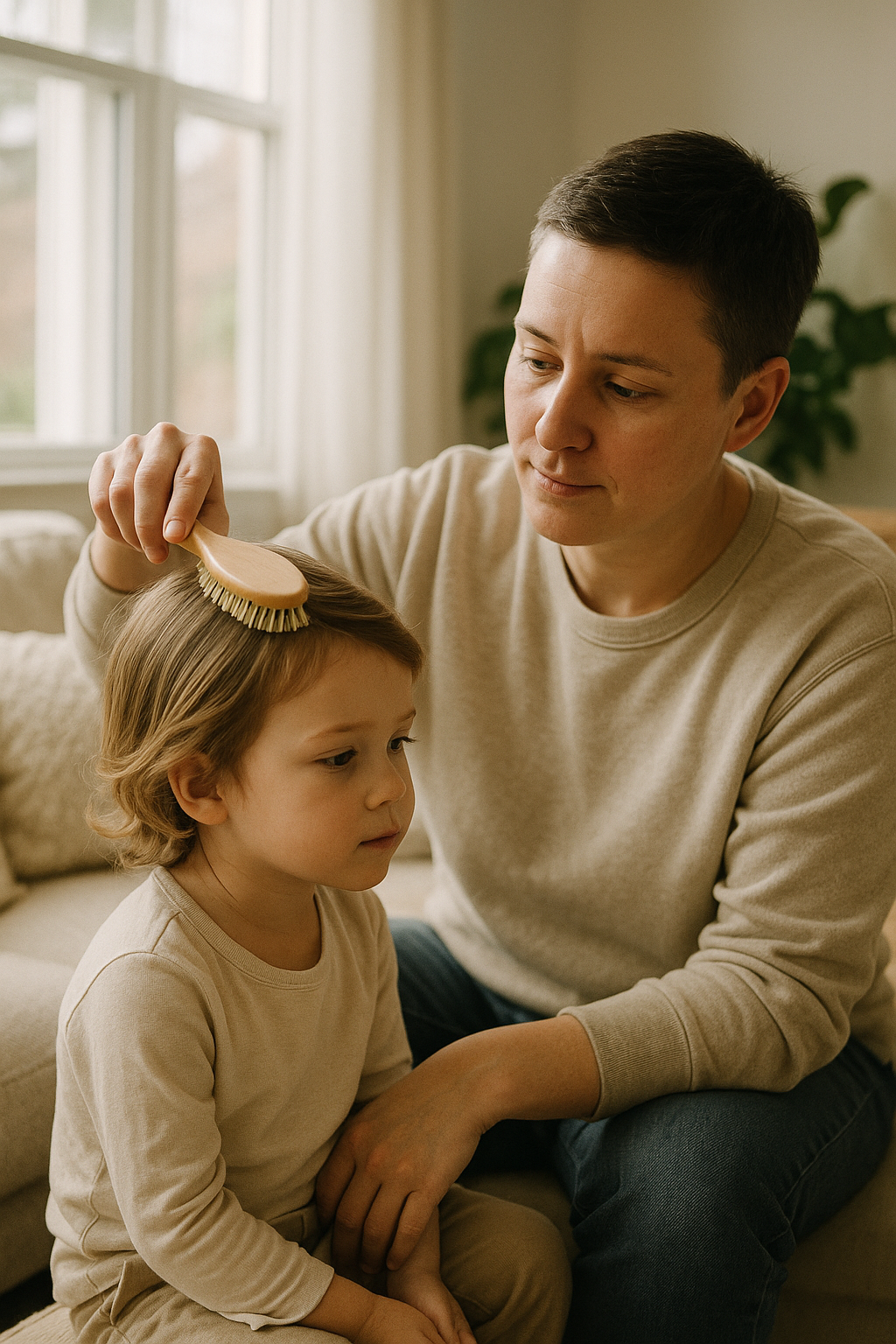
If your child has lice, the way you talk about it can either ease their anxiety or deepen their embarrassment. Knowing how to talk to your kids about lice calmly and clearly helps reduce shame, prevents fear, and sets the tone for quick, effective treatment.
Why This Conversation Matters
Children often take emotional cues from their parents. If lice is treated like a crisis or something “gross,” kids may internalize shame that lasts longer than the infestation itself. According to public health guidance, lice are common and not linked to hygiene or cleanliness.
The Centers for Disease Control and Prevention notes that head lice are not a health hazard and are not responsible for the spread of any disease
. CDC guidance
Start With Simple, Honest Facts
When talking to children about lice, stick to age-appropriate facts:
- Lice are tiny bugs that live in hair, not a sign of being dirty.
- Lots of kids get lice, especially at school or activities.
- Lice don’t mean someone did anything wrong.
Keeping explanations simple helps kids feel informed without feeling overwhelmed. For medically reviewed educational standards, see the Lice Institute of America resources.
Language That Reduces Embarrassment
The words you choose matter. Avoid reactions that sound blaming or panicked.
Say This Instead
- “This happens to a lot of kids.”
- “We’ll take care of it together.”
- “It’s temporary, and you’ll be okay.”
Using supportive language helps reduce embarrassment and keeps the focus on solutions, not fear.
How to Address Lice Stigma
Lice stigma often comes from myths passed between adults and kids. Be proactive in correcting those ideas:
- Explain that lice don’t jump or fly.
- Reinforce that lice affect families of all backgrounds.
- Let your child know privacy will be respected.
If your child worries about school, remind them many schools no longer send kids home immediately for lice. You can also review professional post-treatment guidance from the post-treatment lice checklist.
Talking to Children by Age
Preschool and Early Elementary
Use short explanations and reassurance. Focus on comfort and routine.
Upper Elementary
Answer questions honestly and involve them in simple steps like combing.
Middle School and Teens
Acknowledge embarrassment directly. Offer privacy and explain how treatment works. Teens often appreciate knowing that reinfestation can happen, which is explained in detail in can you get lice again after treatment.
Common Mistakes Parents Make
- Reacting with visible disgust or frustration.
- Threatening consequences for sharing hats or brushes.
- Oversharing details with other parents without consent.
- Waiting too long to address treatment options.
What to Do After the Conversation
Once you’ve talked, move forward calmly:
- Check all household members.
- Begin treatment promptly.
- Reassure your child that normal activities will resume.
If you prefer professional support, you can find certified lice treatment clinics through the Lice Institute of America.
FAQ
How do I tell my child they have lice without upsetting them?
Stay calm, use neutral language, and emphasize that it’s common and treatable.
Should I tell my child’s school?
Follow your school’s policy. Many schools encourage discretion and factual communication.
Can lice come back after treatment?
Yes, reinfestation can happen, especially after new exposure.
How do I help my child handle teasing?
Practice simple responses and reassure them that lice are not a reflection of who they are.
Is lice related to poor hygiene?
No. Lice prefer clean hair and are not linked to cleanliness.
Do kids need to stay home from school?
In most cases, no. Many health organizations discourage unnecessary absences.
Should siblings be told?
Yes, calmly explain and check everyone to prevent spread.
When should we seek professional help?
If home treatment is overwhelming or ineffective, professional care can help.
References
- Centers for Disease Control and Prevention
- American Academy of Pediatrics
- Children’s Health