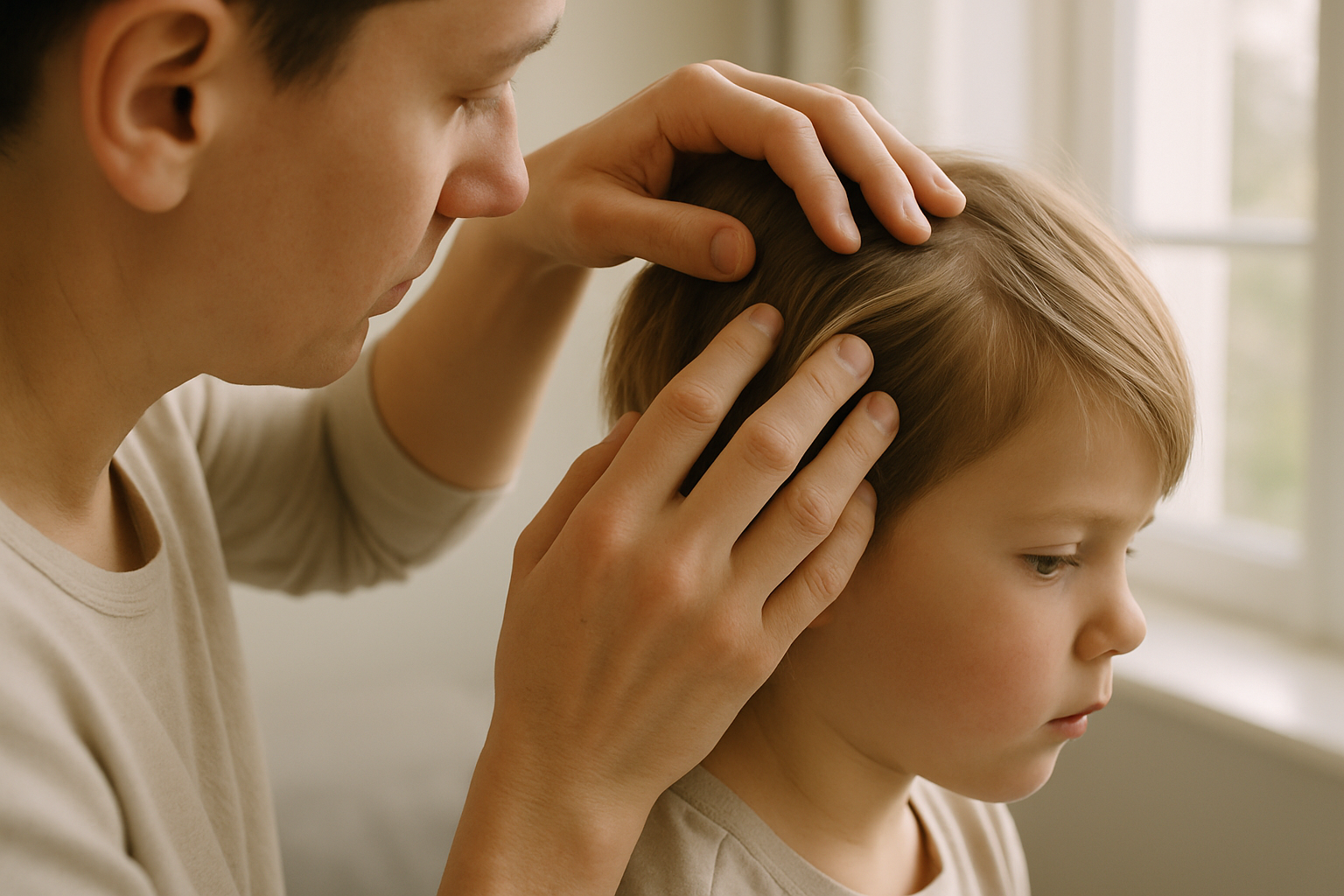
End the Stigma Around Head Lice for Good


End the Stigma Around Head Lice
To end the stigma around head lice, we have to address misinformation, outdated school practices, and the emotional harm caused by shame and silence. Head lice are common, treatable, and not a sign of poor hygiene—yet families still experience embarrassment, isolation, and even bullying when lice appear.
Why the stigma around head lice still exists
The lice stigma persists largely because of long-standing myths and fear-based responses. Many adults grew up associating lice with neglect or unclean living conditions, despite decades of medical evidence showing otherwise. These assumptions are passed down socially, reinforced by whispered conversations, exclusion, and panic-driven reactions.
Outdated policies and public messaging also play a role. When lice are treated as a crisis instead of a routine health issue, stigma grows. This is one reason professional organizations continue to push for education-focused approaches rather than punishment or exclusion.
The real impact of lice stigma on children and families
Head lice embarrassment affects far more than a child’s scalp. Children may experience teasing, social isolation, or lice bullying at school. Parents often feel judged or blamed, which can delay treatment or prevent families from asking for help.
According to the American Academy of Pediatrics, “Head lice are an unpleasant part of the human experience, but they can be successfully managed and are no reason for a child to miss school.” When shame replaces science, everyone loses.
Common myths that fuel lice stigma
- Myth: Only dirty homes get lice.
Fact: Lice spread through head-to-head contact and affect all communities. - Myth: Lice are dangerous.
Fact: Head lice do not transmit disease. - Myth: Lice mean a school is unsafe.
Fact: Lice are common in schools and not a sign of poor management.
Educational resources from organizations like the Professional Resources & Education section help correct these misconceptions with evidence-based information.
How language and policies can increase head lice embarrassment
Words matter. Terms like “infested” or public lice notifications can unintentionally shame families. Similarly, strict exclusion policies can single out children and amplify anxiety.
Modern guidelines recommend discretion, privacy, and clear communication. Families should receive factual guidance—not fear-driven instructions—so they can act confidently and calmly.
Practical ways to end the stigma around head lice
- Normalize lice as a routine childhood issue, similar to colds.
- Share accurate information quickly and calmly.
- Address lice bullying immediately and directly.
- Encourage private, supportive conversations with affected families.
- Use trusted educational materials rather than social media rumors.
Community education initiatives, like those outlined in About Lice Institute of America, focus on compassion and accuracy rather than blame.
What schools and communities can do better
Schools play a powerful role in shaping attitudes. Evidence shows that education-based policies reduce fear and disruption while protecting student well-being.
Access to up-to-date prevention guidance, such as those found in the latest articles for schools and families, helps administrators respond effectively without increasing stigma.
When professional help reduces stress and shame
For many families, professional treatment removes both lice and emotional burden. Knowing that care is discreet, effective, and judgment-free can dramatically reduce head lice embarrassment.
Families seeking immediate assistance can use the Find a Lice Treatment Clinic directory to locate certified professionals, while others may explore long-term solutions through professional lice treatment certification or franchise opportunities that expand access to care.
FAQ
Is head lice a sign of poor hygiene?
No. Lice affect clean and dirty hair alike and are unrelated to personal hygiene.
Should children with lice be kept home from school?
Most medical organizations recommend children remain in school and begin treatment promptly.
How can parents talk to children about lice without causing shame?
Use calm, factual language and emphasize that lice are common and treatable.
What should schools do to prevent lice bullying?
Address teasing immediately, protect privacy, and educate students and staff.
Are lice dangerous?
No. Head lice do not spread disease and are considered a nuisance rather than a health threat.
Does professional treatment help reduce stigma?
Yes. Professional care often shortens treatment time and reassures families.
How can communities help end lice stigma?
By sharing accurate information and responding with empathy instead of fear.
References
- American Academy of Pediatrics
- Centers for Disease Control and Prevention
- National Association of School Nurses