Head Lice Prevention Month Ideas for Schools and Families


Head Lice Prevention Month Ideas That Actually Reduce Outbreaks
Head Lice Prevention Month happens every September and is designed to help schools, families, and communities reduce lice outbreaks through awareness, early detection, and simple prevention habits. The ideas below focus on what actually works in real-world settings—not fear-based messaging or outdated myths.
What Head Lice Prevention Month Is (and Isn’t)
Head Lice Prevention Month—also called lice awareness month—is about prevention and education, not panic. Health authorities consistently emphasize that lice are a nuisance, not a health danger, and that exclusionary or shaming policies do more harm than good.
According to public health guidance, prevention works best when communities focus on regular checks, clear communication, and consistent routines rather than emergency reactions.
School-Based Head Lice Prevention Month Ideas
1. Weekly Check Awareness Campaign
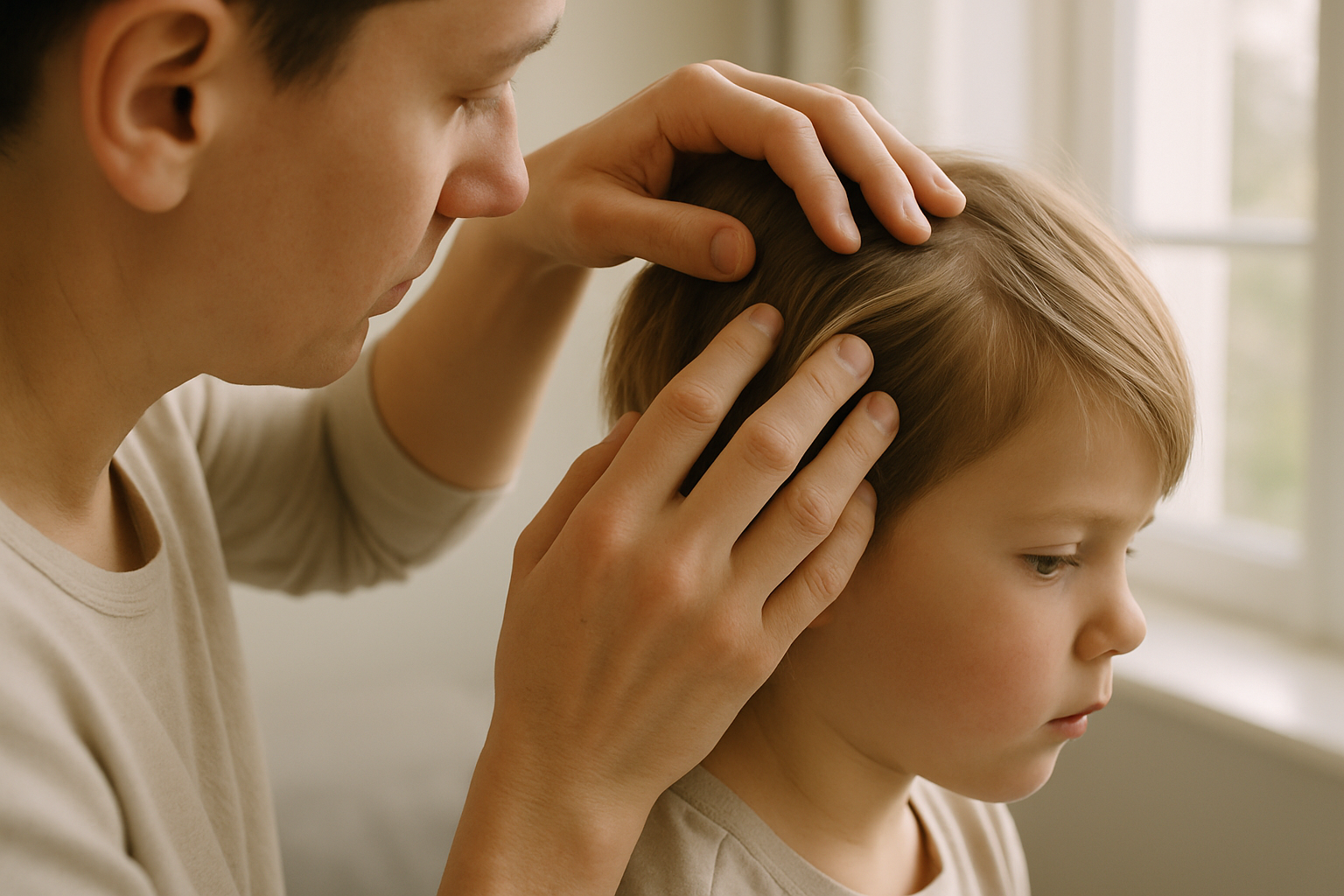
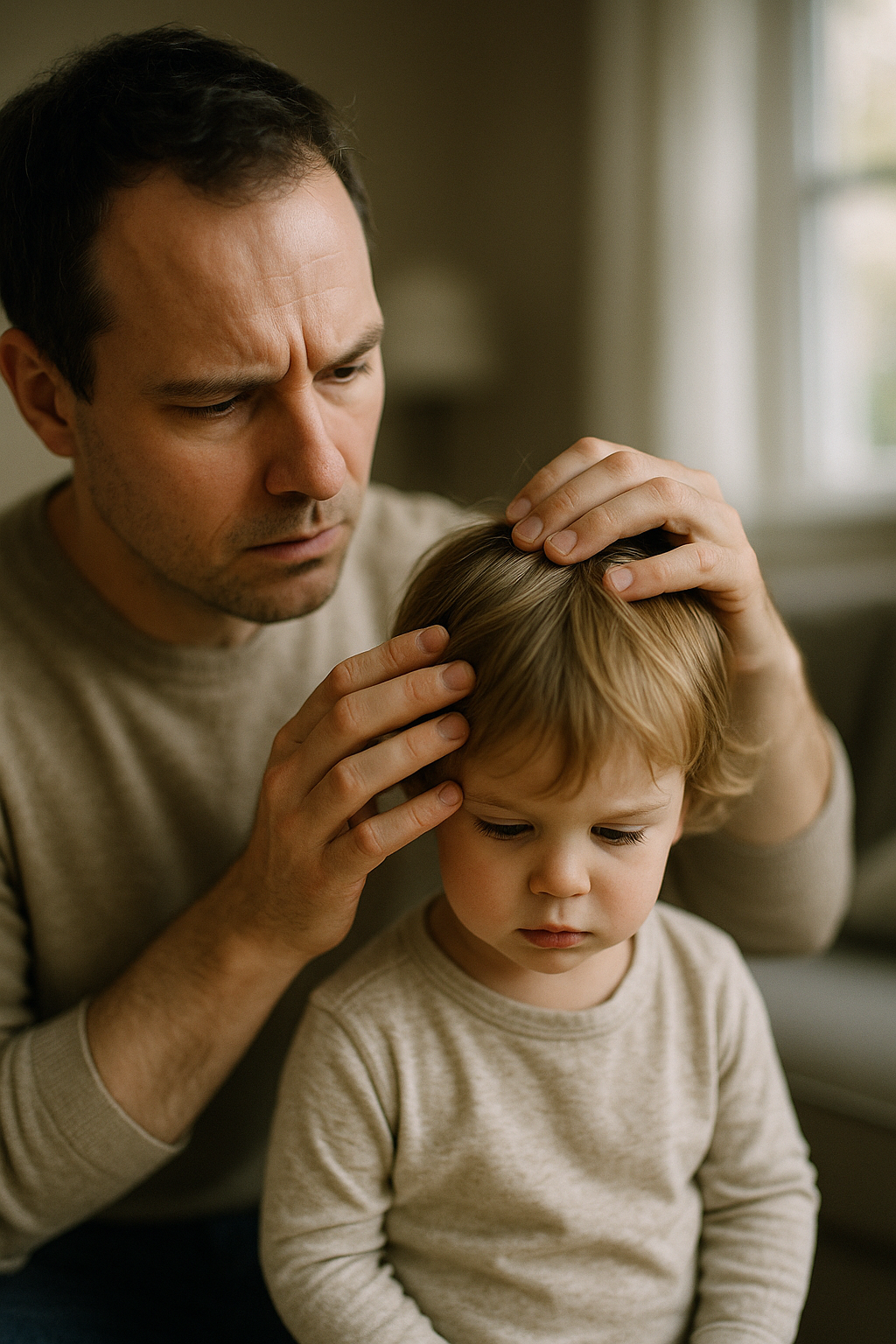
Encourage families to perform short weekly head checks at home during September. Provide a one-page checklist showing where lice are most commonly found (behind ears and at the nape of the neck).
2. Backpack and Coat Management
Use Prevention Month to remind staff and students to keep coats, hats, and backpacks separated. Simple classroom spacing changes reduce indirect contact without disrupting learning.
3. Myth-Busting Posters
- Lice do not jump or fly
- Lice are not caused by poor hygiene
- Nits alone do not mean active infestation
4. Staff Training Refreshers
A short annual refresher for nurses, teachers, and administrators helps ensure consistent messaging and avoids unnecessary classroom removals.
Family & Home Prevention Activities
5. Ten-Minute Weekly Check Routine
Position weekly checks as a normal hygiene habit, similar to nail trimming. Consistency matters more than perfection.
6. Hair Management Habits
For children with longer hair, simple styles like braids or buns can reduce hair-to-hair contact during school and activities.
7. Personal Item Boundaries
Use Prevention Month to reset expectations around not sharing hats, brushes, headphones, or helmets—especially during sports seasons.
Community Lice Prevention Campaigns
8. Pediatric Office Handouts
Local pediatricians and urgent care centers can distribute prevention flyers during September to reinforce consistent messaging.
9. Library & After-School Program Outreach
Community centers and libraries can include short prevention reminders in newsletters and parent communications.
10. Parent Information Nights
A 15-minute lice prevention segment during back-to-school events can dramatically reduce misinformation and anxiety.
Education Resources That Build Trust
Effective education resources focus on clarity and evidence, not scare tactics. Use simple language, visual aids, and consistent terminology across all materials.
As the California Department of Public Health notes, “The BEST way to prevent head lice is to not touch heads with someone else.”
Source
Common Mistakes to Avoid
- Overemphasizing cleaning furniture or classrooms
- Promoting no-nit exclusion policies
- Using fear-based language in school communications
- Assuming lice prevention requires expensive products
FAQ
When is Head Lice Prevention Month?
Head Lice Prevention Month takes place every September.
Is lice awareness month only for schools?
No. Families, childcare centers, camps, and community groups all play a role.
Do lice spread through classrooms or furniture?
Transmission primarily occurs through direct head-to-head contact.
How often should children be checked?
Weekly checks during the school year are widely recommended.
Are no-nit policies recommended?
Major health organizations discourage no-nit policies due to lack of benefit.
Does lice prevention require special products?
No. Awareness, routine checks, and behavior habits are the most effective tools.
Can community lice prevention actually reduce outbreaks?
Yes. Consistent, community-wide education leads to earlier detection and fewer large infestations.
References
- Centers for Disease Control and Prevention
- California Department of Public Health
- National Pediculosis Association