Can You Get Lice Again After Treatment?

Can You Get Lice Again After Treatment?
Yes — you can get lice again after treatment. When lice seem to come back, it’s usually due to either reinfestation (new exposure) or an incomplete treatment that allowed eggs to hatch. Understanding the difference is the key to stopping repeat cases.
Why lice come back after treatment
When families ask if lice come back on their own, the answer is no. Lice don’t hibernate or reappear spontaneously. If you’re seeing lice again, one of three things happened:
- Not all lice or eggs were removed during treatment
- Follow-up treatment timing was missed
- There was a new exposure to someone with active lice
Professional protocols are designed to account for the lice life cycle, which is why thorough removal and follow-up checks matter.
Reinfestation vs. failed treatment
These two situations look similar but require different solutions.
- Failed treatment: Live lice appear within 7–10 days because eggs were missed or the product wasn’t fully effective.
- Reinfestation: Lice return 2–3 weeks later after close contact with someone who has an active case.
Reinfestation often happens at school, sleepovers, camps, or shared beds — not from furniture or pets.
Common post-treatment mistakes
Even careful families can accidentally allow lice to return. The most common mistakes include:
- Stopping checks too early
- Assuming nits are dead without verifying
- Missing household contacts
- Using conditioner before or after medicated treatments
- Skipping the recommended second treatment window
Education and consistency are more effective than stronger products.
Reinfestation prevention that actually works
There’s no product that guarantees you’ll never get lice again. However, proven reinfestation prevention strategies include:
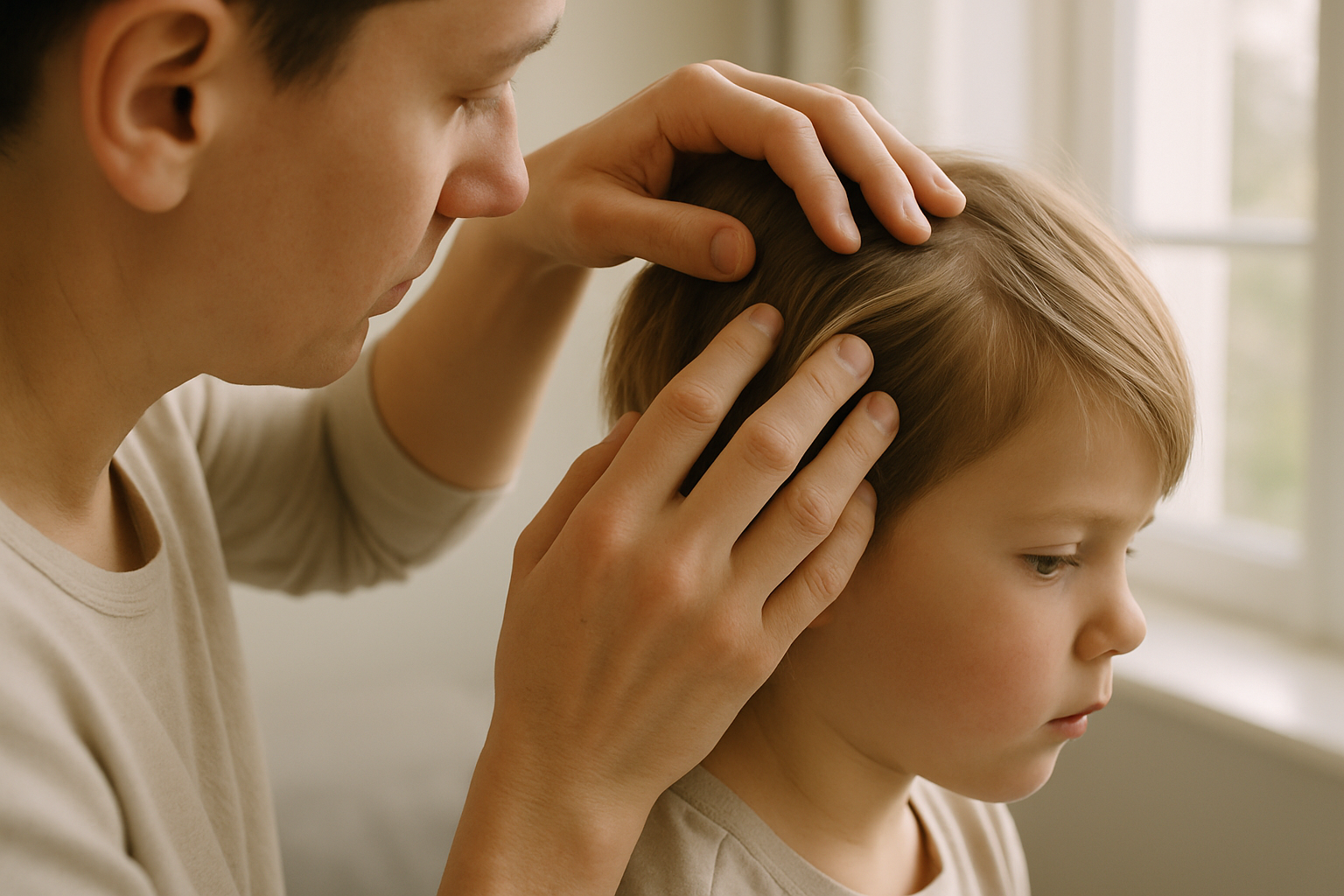
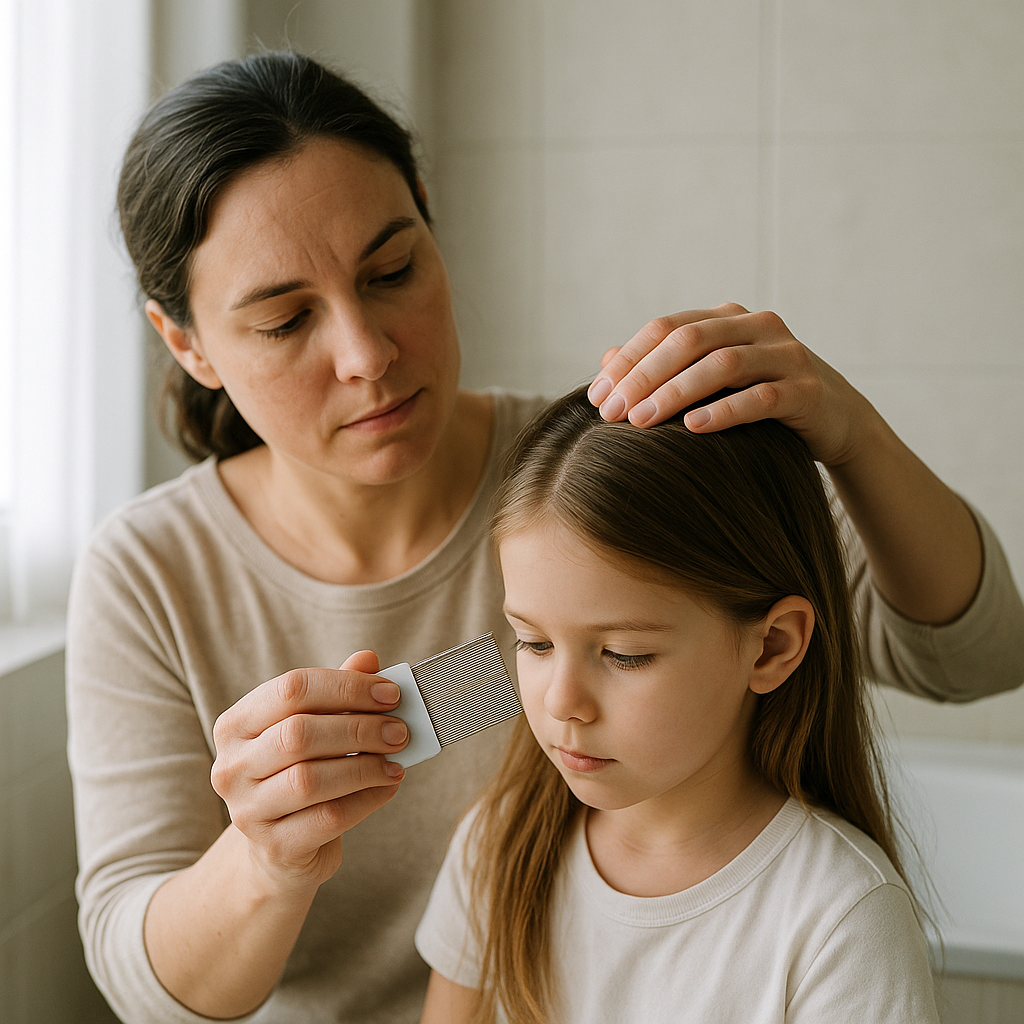
- Weekly head checks for 2–3 weeks after treatment
- Tying long hair back for school and activities
- Avoiding head-to-head contact during outbreaks
- Checking close contacts before sleepovers
According to the CDC, “head lice spread primarily by direct head-to-head contact.” CDC guidance reinforces that environmental cleaning plays a minor role compared to contact checks.
Post-treatment checklist
Use this post treatment checklist to reduce the chance that lice come back:
- Confirm no live lice immediately after treatment
- Perform head checks every 2–3 days for 14 days
- Wash bedding and clothing used in the previous 48 hours
- Soak combs and brushes in hot water
- Avoid unnecessary home spraying or fogging
- Notify close contacts discreetly
For additional education, see professional prevention guidance in the Lice Institute of America resources.
When to seek professional help
If lice keep returning despite correct treatment, professional evaluation can help determine whether resistance or repeated reinfestation is the cause. Families often choose in-clinic care for accuracy, speed, and peace of mind.
You can locate certified help through the Find a Lice Treatment Clinic directory.
FAQ
Can lice come back after successful treatment?
Yes. A new exposure can cause reinfestation even if the original treatment worked perfectly.
How soon would lice come back if treatment failed?
Usually within 7–10 days, once missed eggs hatch.
Do nits mean I still have lice?
Not always. Only live, moving lice confirm an active infestation.
Can adults get lice again?
Yes. Adults can be reinfested through close contact with children or partners.
Does washing the house prevent lice from coming back?
No. Head-to-head contact prevention is far more important than deep cleaning.
Is reinfestation common in schools?
It can be during outbreaks, which is why routine checks matter.
Should the whole family be treated?
Only those with confirmed live lice need treatment, but everyone should be checked.
Are professional treatments safer?
Professional protocols focus on complete removal and follow-up, not stronger chemicals.
References
- Centers for Disease Control and Prevention
- Mayo Clinic
- Johns Hopkins Medicine